
Hiking Havasupai Falls: A Journey to the Heart of Supai
Stopping at Hoover Dam on the Way to Arizona
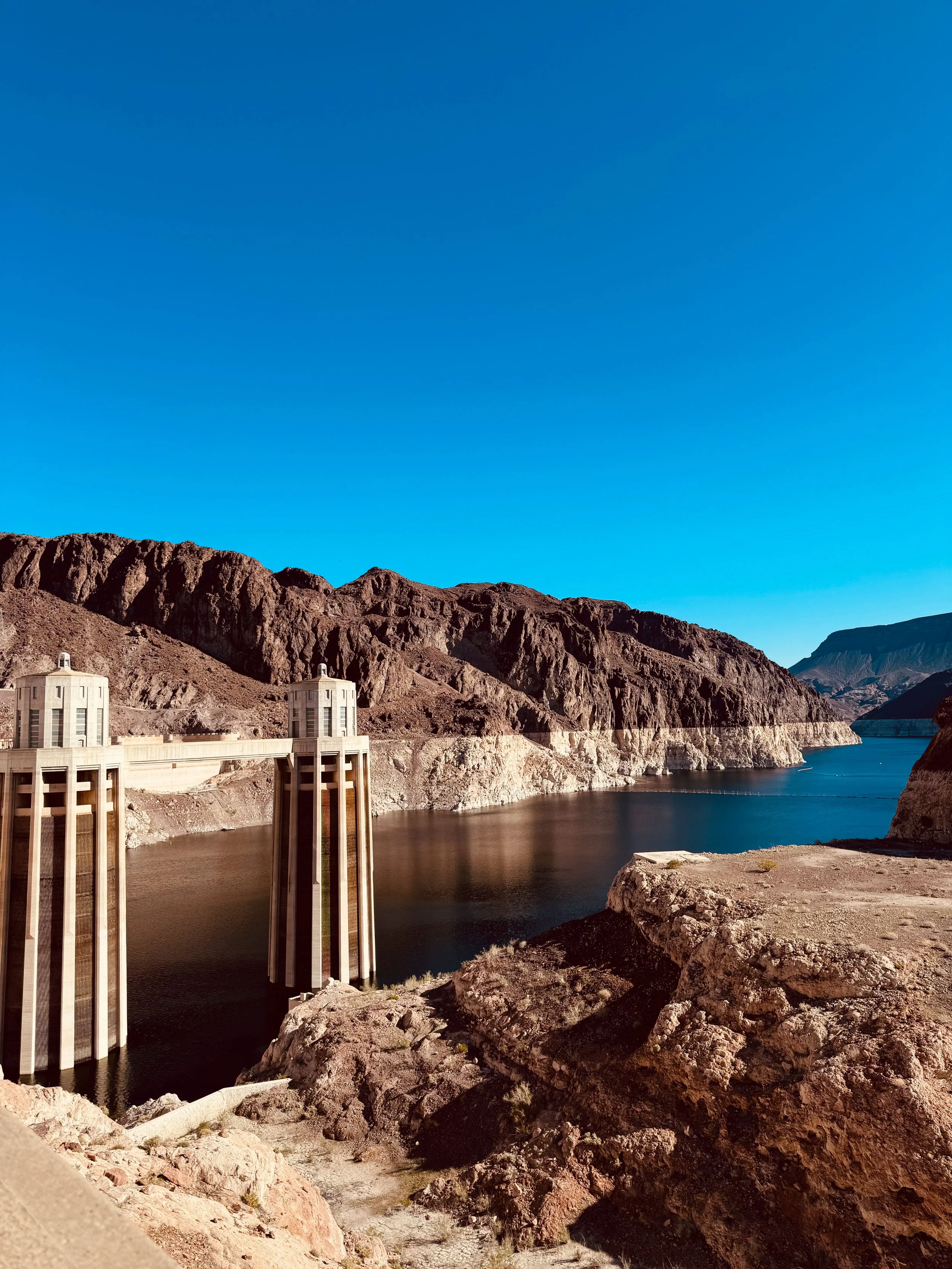
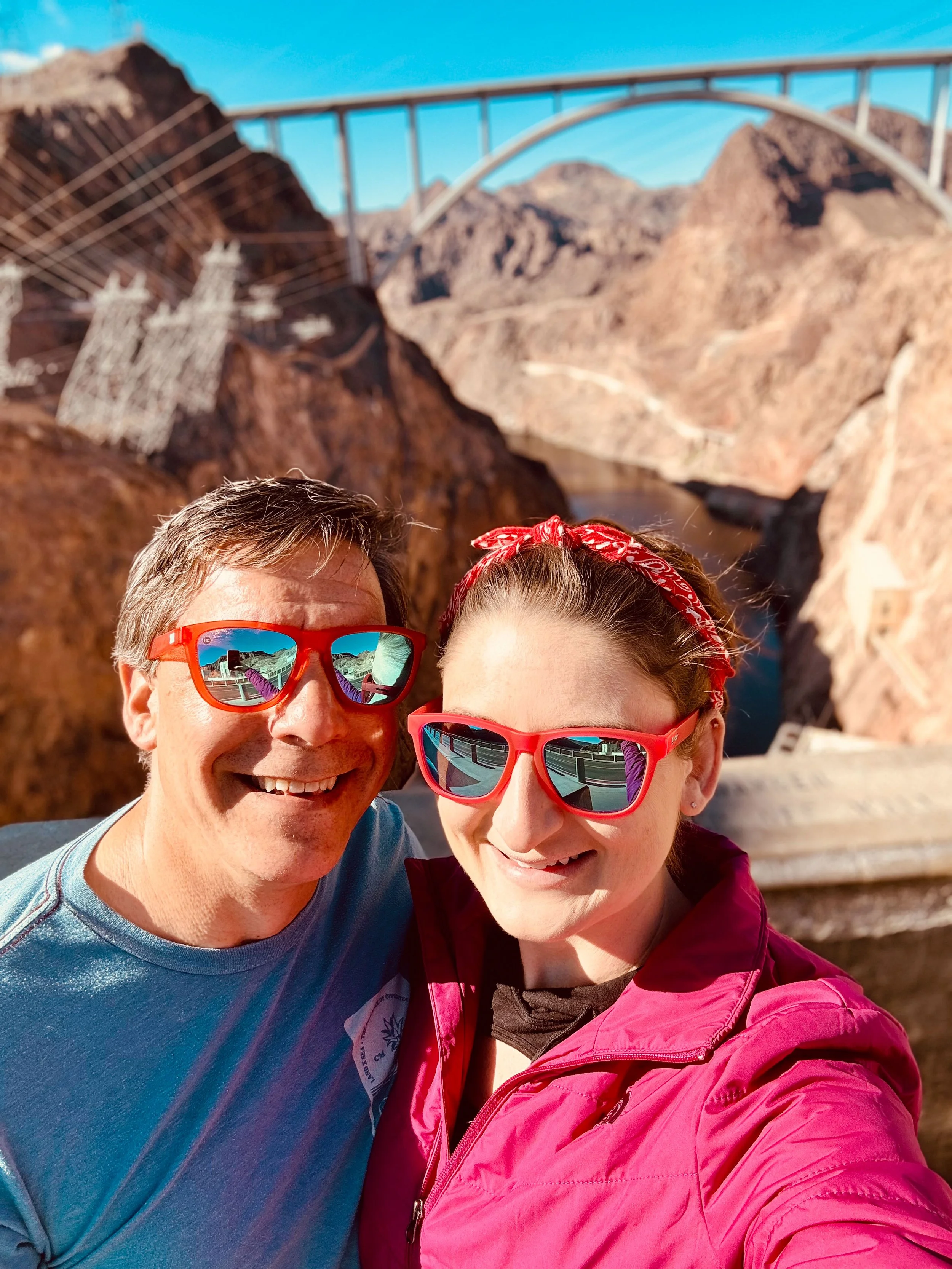
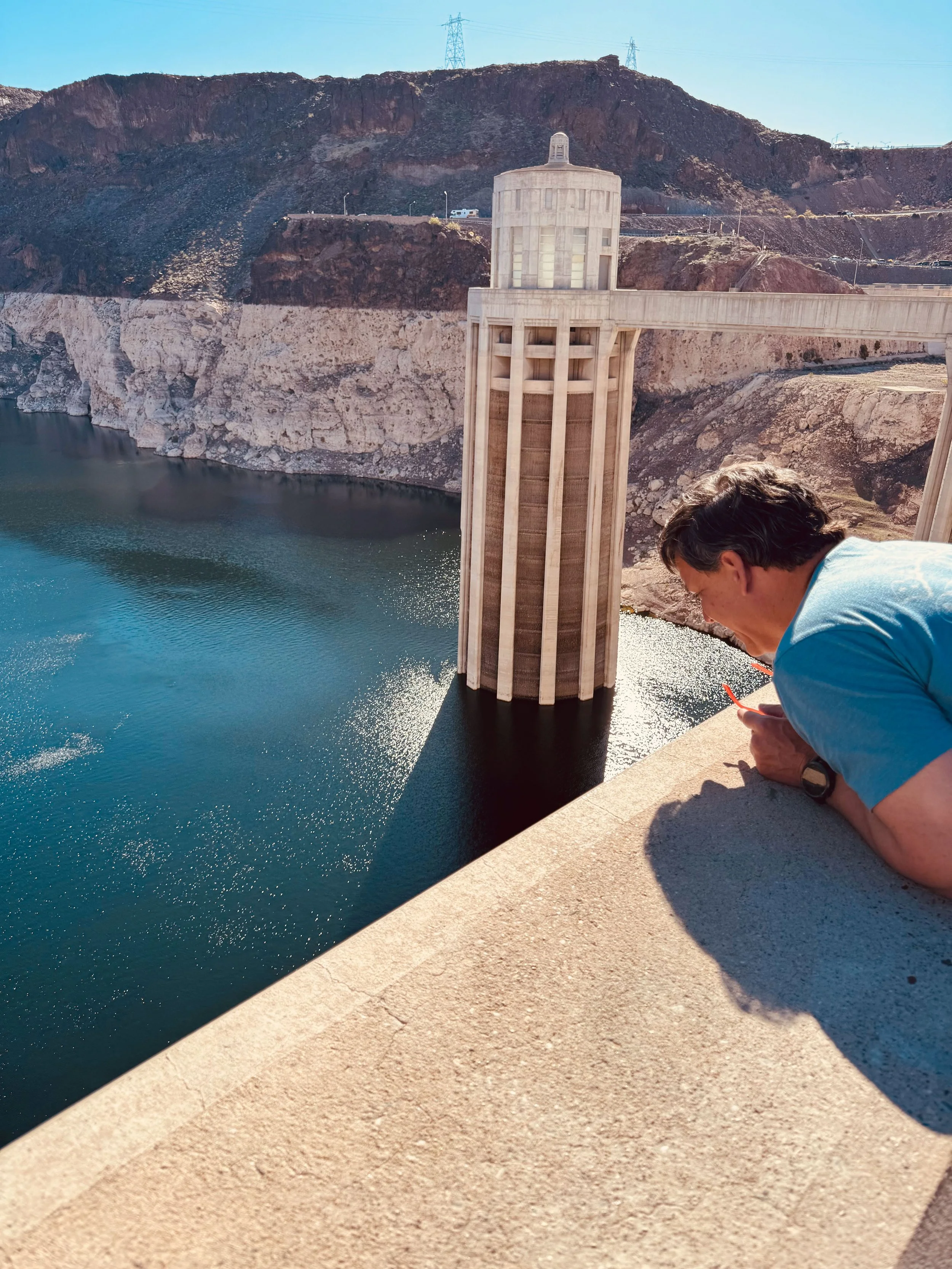
On our way to Arizona, we made a stop at Hoover Dam, an iconic landmark straddling the Nevada–Arizona border. Completed in 1936 during the Great Depression, the dam still feels massive and humbling, holding back the Colorado River and powering much of the Southwest. It was the perfect pause before heading deeper into the desert—one last reminder of scale before nature took over.
Entering the Supai Reservation
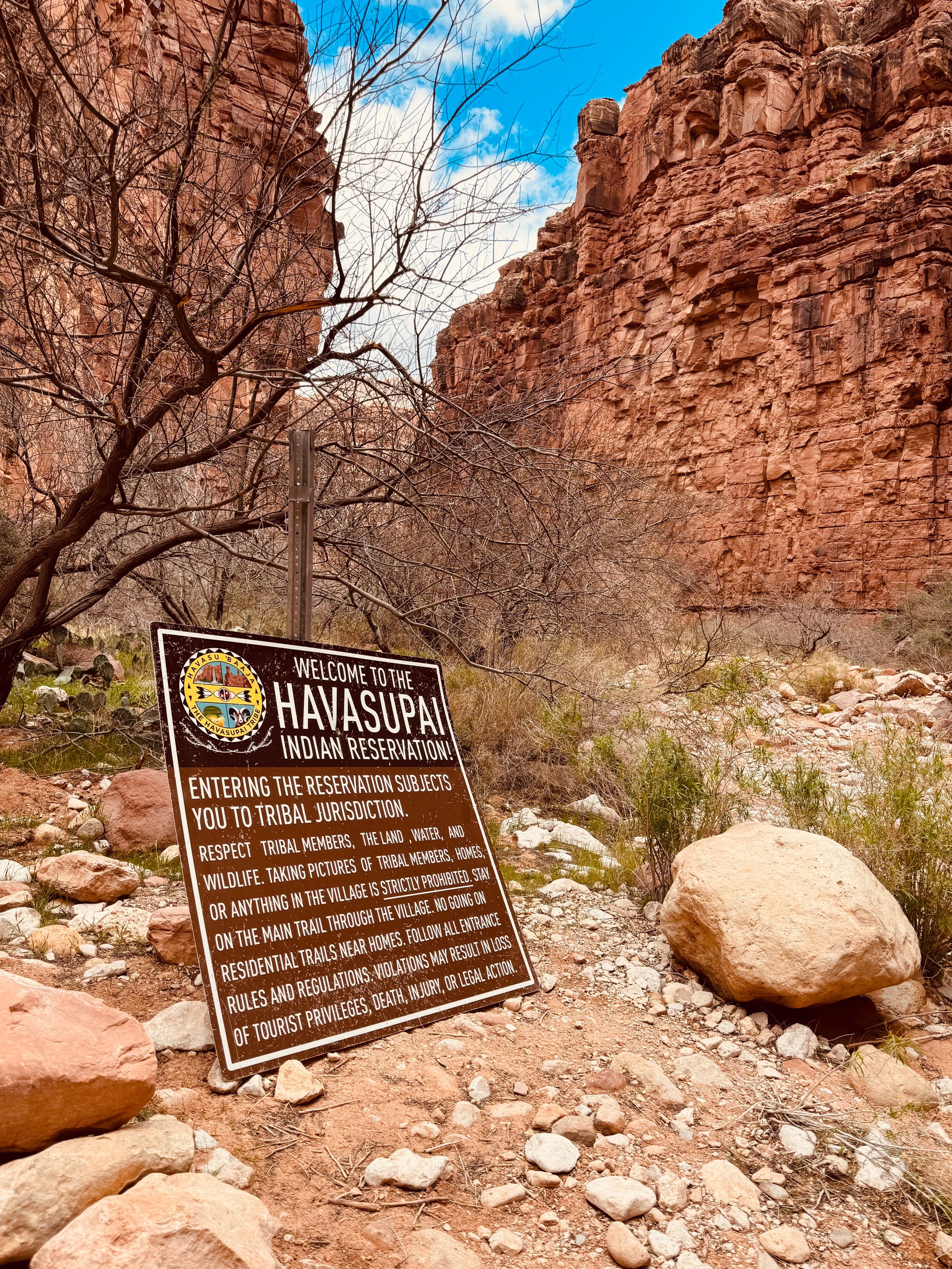
Havasupai Falls is located on the Havasupai Reservation, home to the Havasupai Tribe, whose name translates to “people of the blue-green waters.” Visiting here isn’t just a hike—it’s an experience that exists entirely within tribal land and is governed by the tribe’s rules, permits, and stewardship.
Reservations & Permits (Important to Know)
All visits require advance reservations through the tribe’s official system. Permits typically open once a year and sell out quickly. Reservations include campground access and are required for every visitor—there is no day hiking allowed. Planning far in advance is essential, and flexibility helps.
Staying at Grand Canyon Caverns Inn & Tribal Check-In
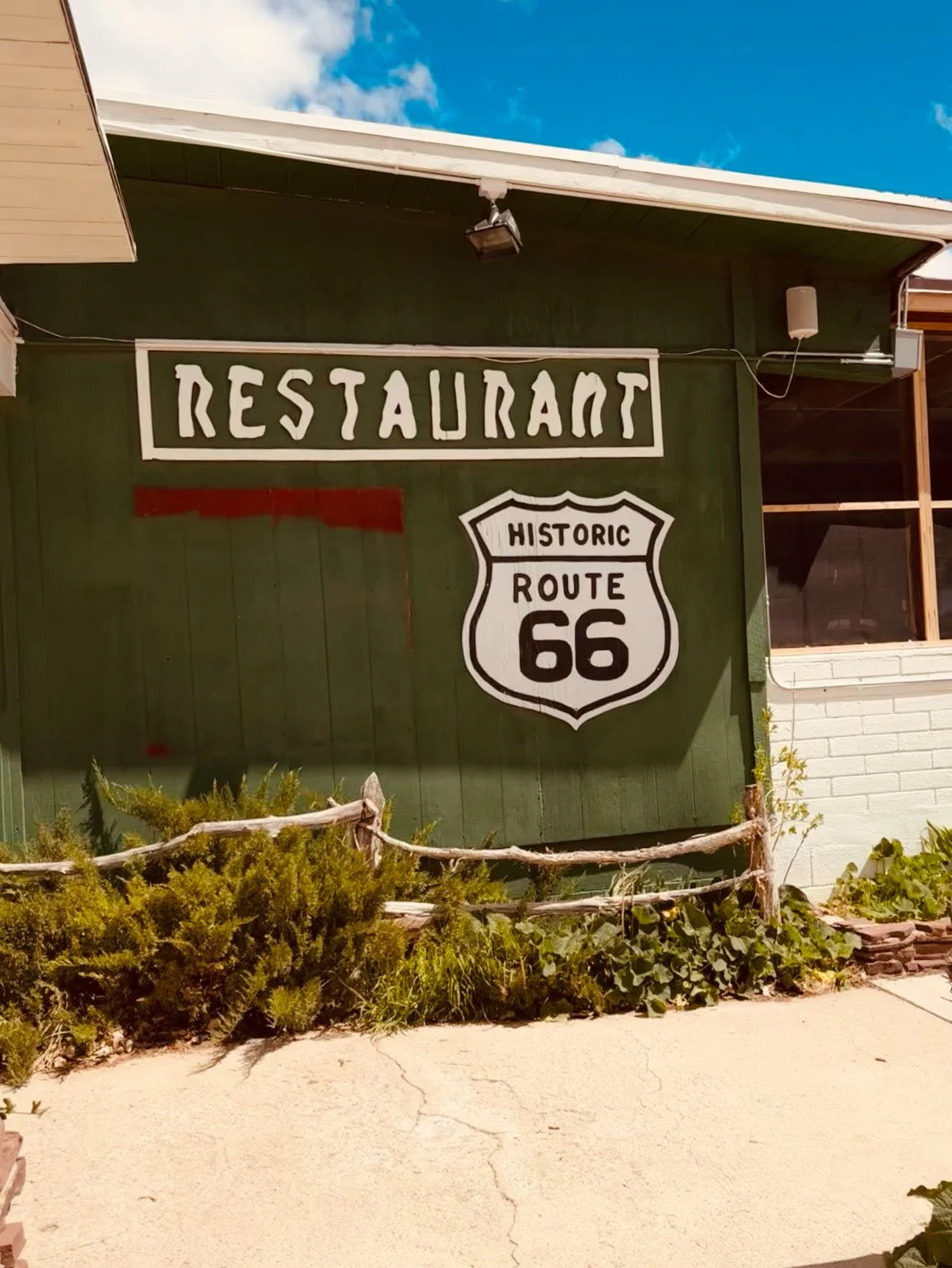
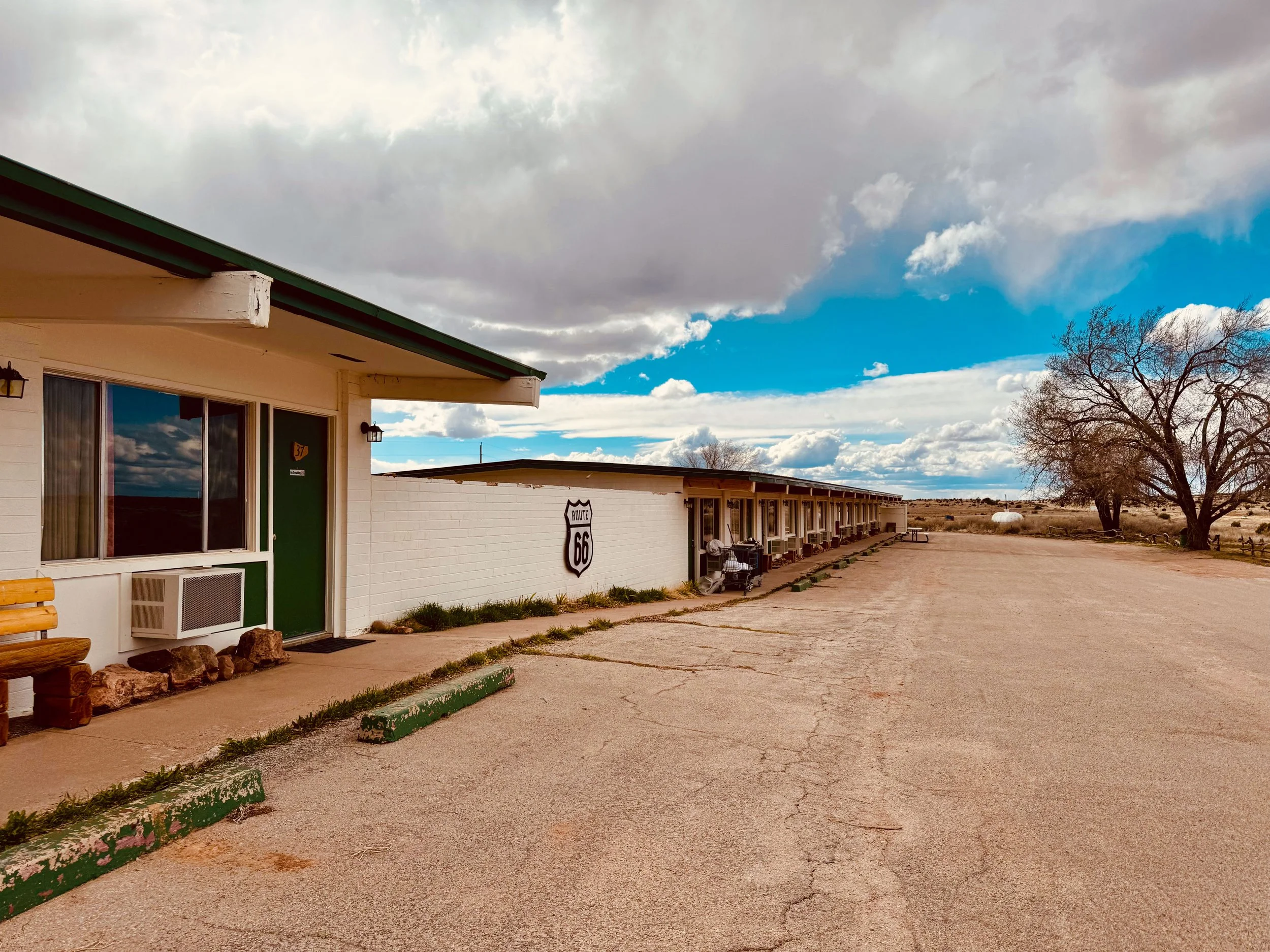
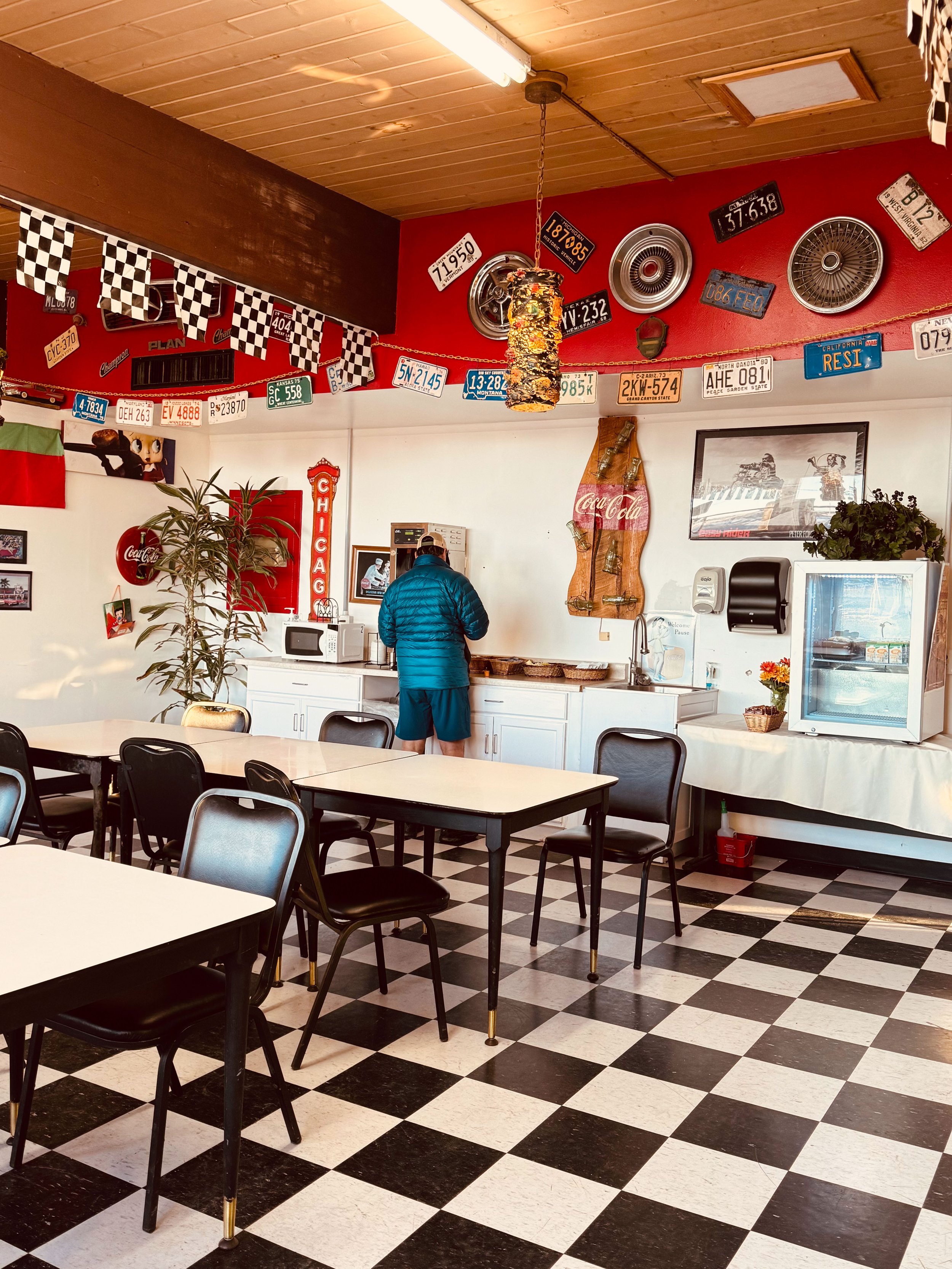
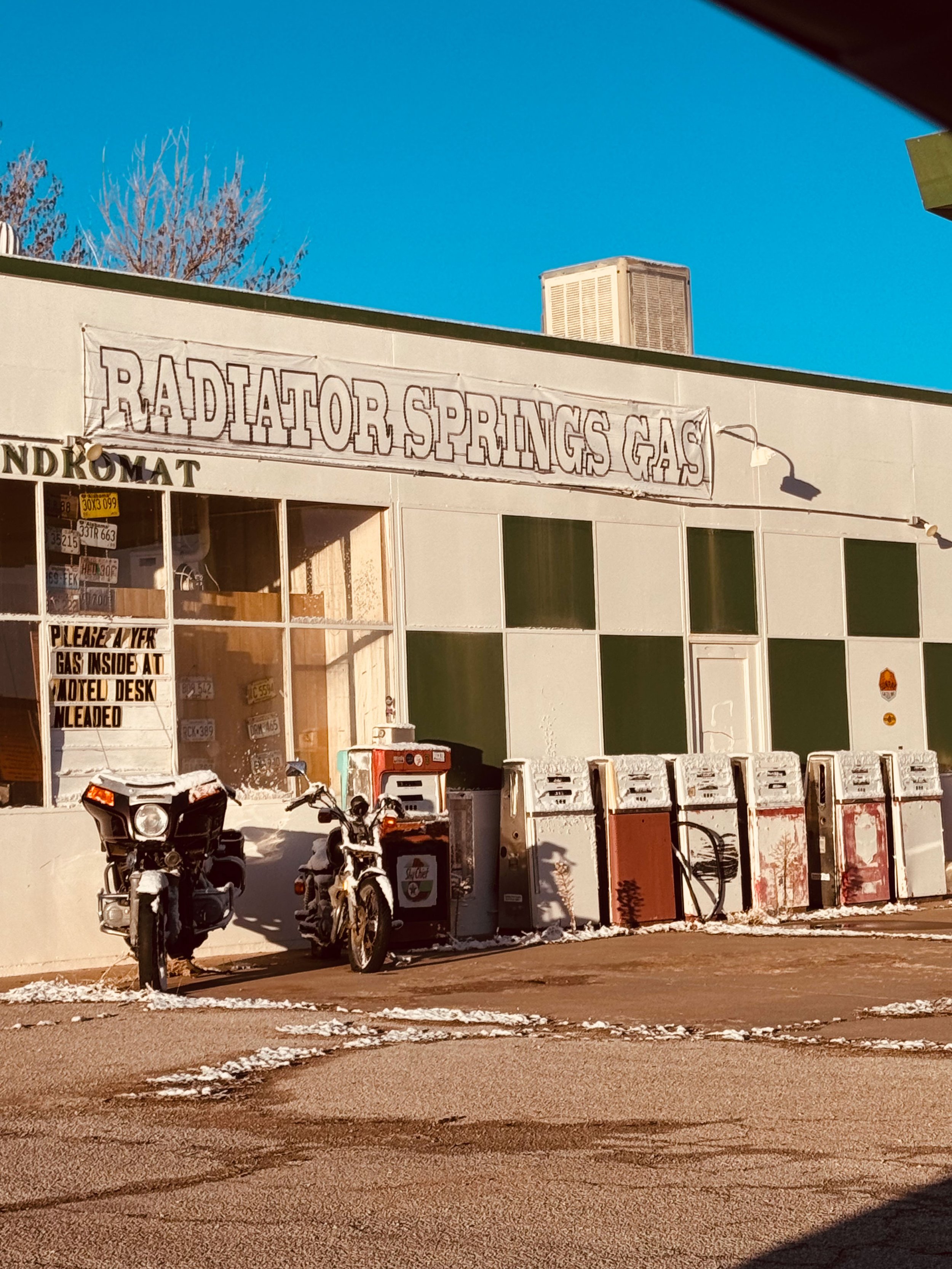
Before starting the hike, we stayed at Grand Canyon Caverns Inn, a classic Route 66 roadside stop and an important logistical part of the Havasupai experience. This is where visitors check in with representatives from the Havasupai Tribe before heading to the trailhead.
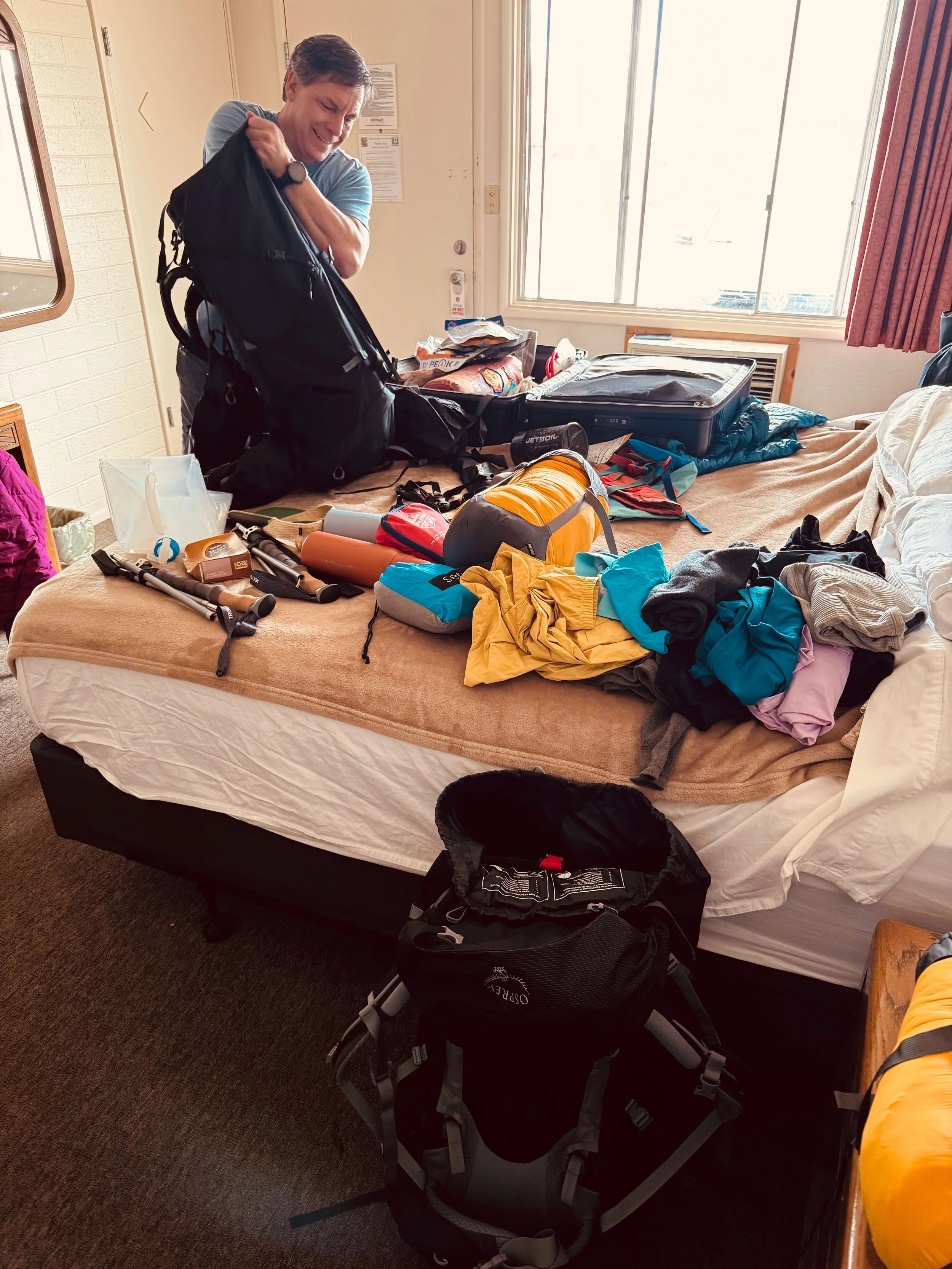
Check-in is required and helps ensure permits are verified, group information is confirmed, and everyone entering the reservation is accounted for. While the inn itself is simple and no-frills, its location and purpose make it a practical place to stay the night before the hike—especially for early-morning starts at Hualapai Hilltop. Being there reinforced that this journey isn’t just about a destination, but about entering tribal land thoughtfully and on their terms. I have to say, this was one of only 2 hotels close enough to the start of the trek. Outside of this area, you are looking at over a 2 hour drive anywhere. This place felt a little run down, the hot water wasnt working, and I refused to sleep under the covers on the bed. It felt like Schitts Creek…
The Hike to Supai Village
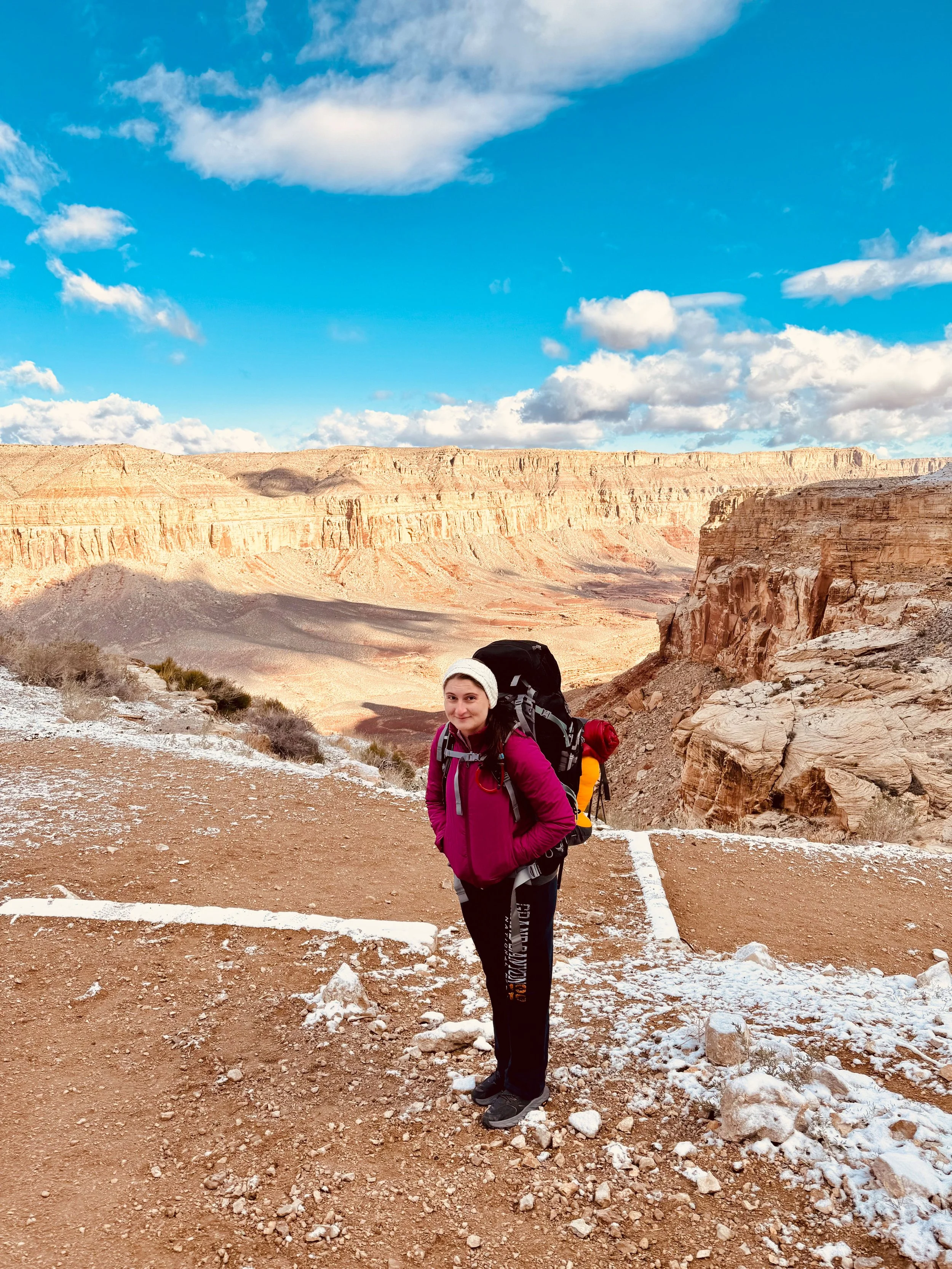
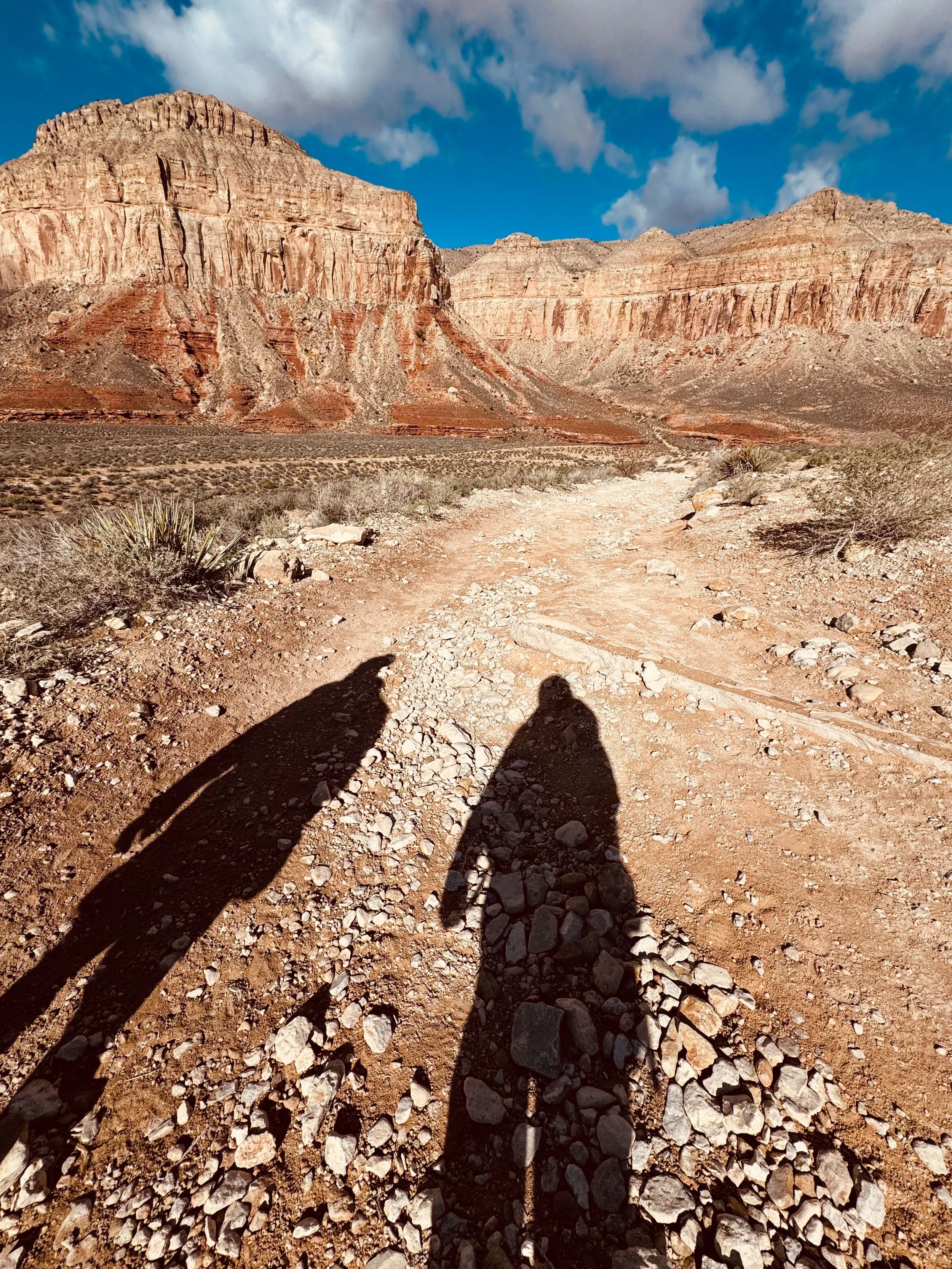
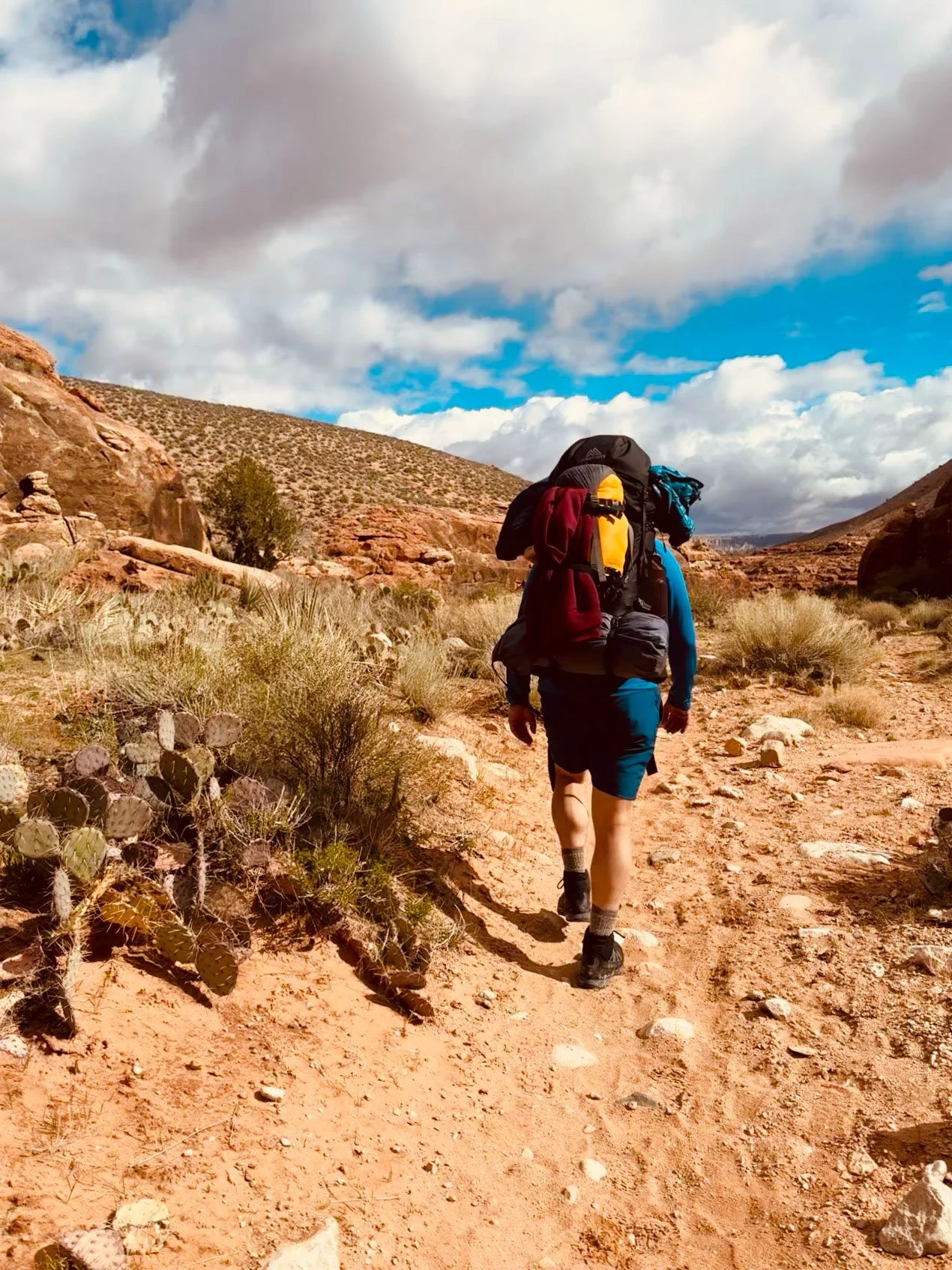
The hike begins at Hualapai Hilltop and stretches approximately 8 miles one way to reach Supai. The trail descends into the canyon and is exposed for much of the way, making early starts and plenty of water critical—especially in warmer months. 8 miles isnt really bad you think—-but we had 50 lb backpacks to take all my camera gear and our backpacking gear and food and water for a whole week. It sucked. It was a cold 25 degree morning in AZ in April, with a high of 85 later in the day…
For those unable or unwilling to hike the full distance, there is a helicopter option, typically operating from Hualapai Hilltop to Supai village. Availability depends on weather and priority is often given to tribal members, elders, and locals, so hikers should never rely on it as a guaranteed plan.
Horses on the Trail
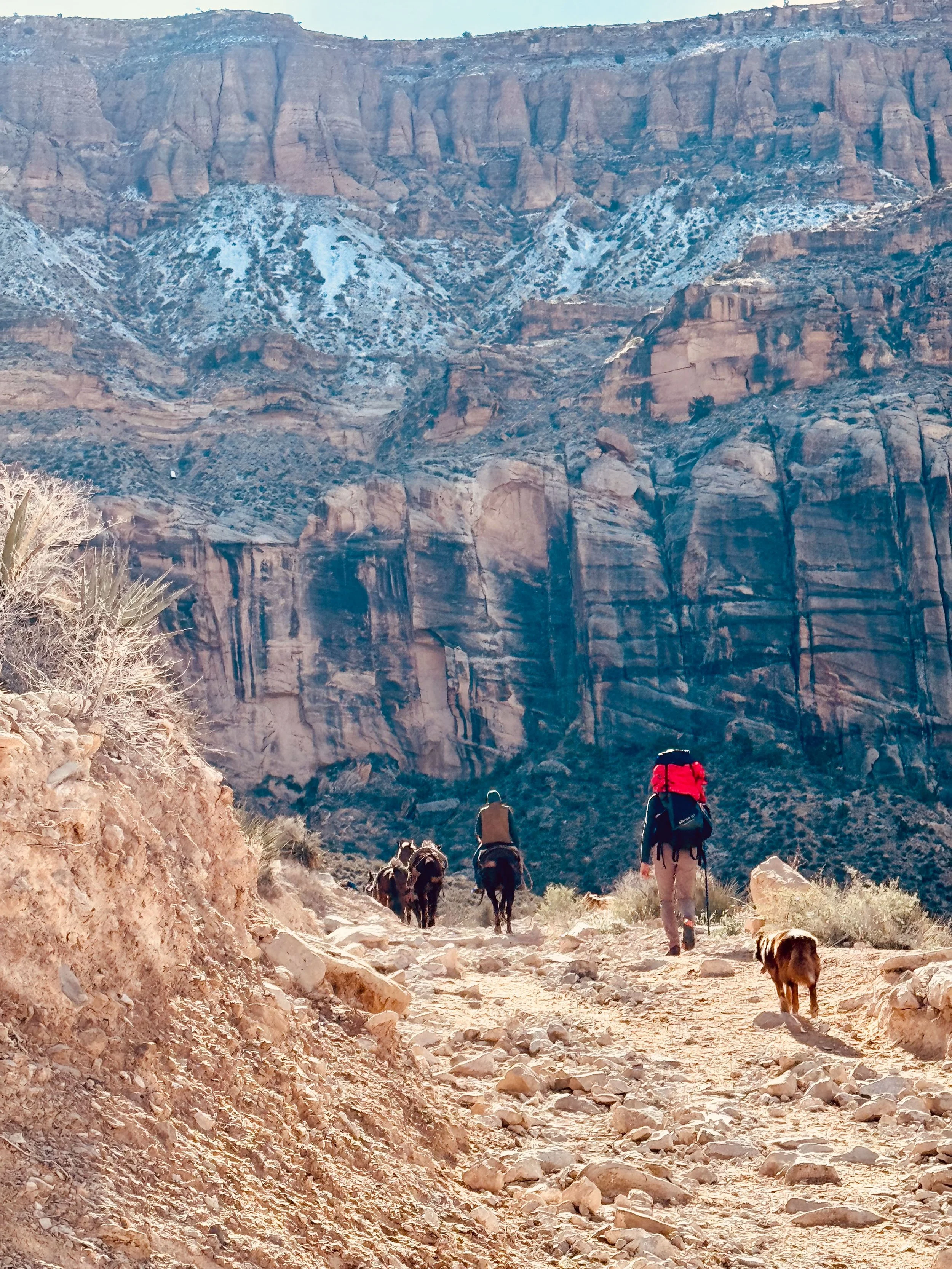
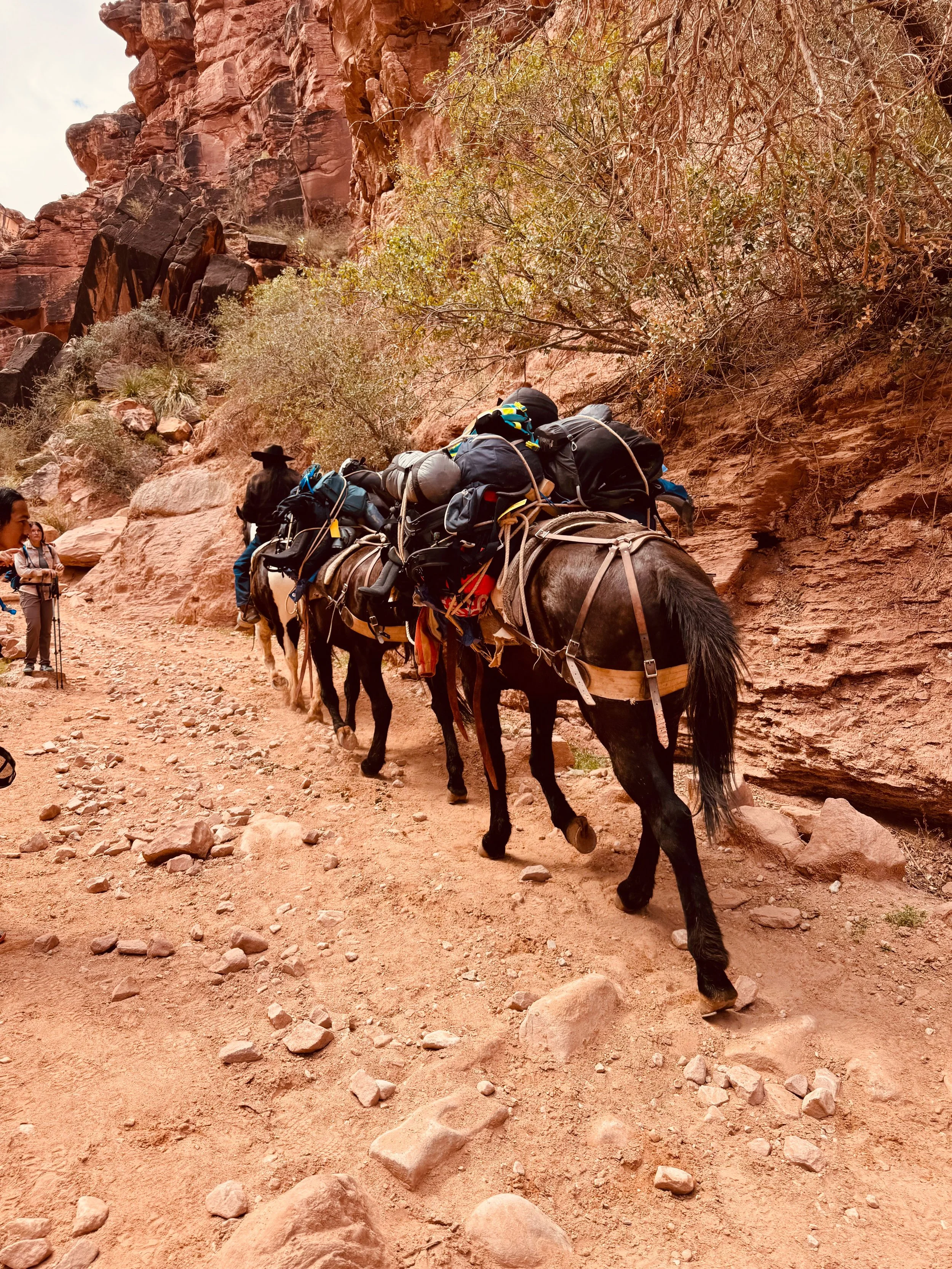
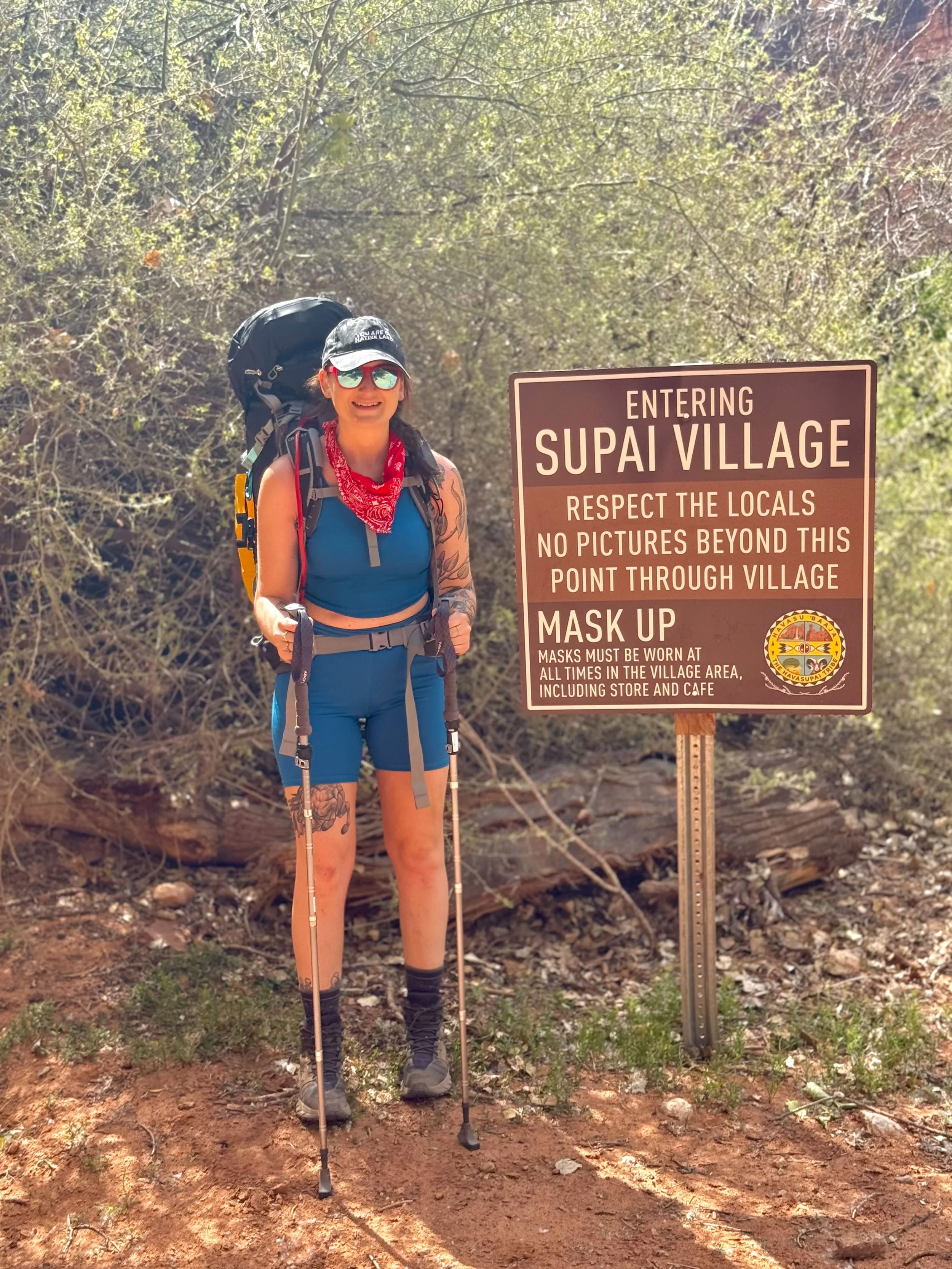
Pack horses are used to carry supplies and gear into the village for a fee. While this is part of the tribe’s long-standing infrastructure, it’s important to acknowledge that conditions for the horses can be difficult, especially during peak seasons. Visitors should be mindful, respectful, and informed when choosing how their gear is transported. I can tell you forthright, these horses are treated extremely poorly, and I would never utilize this service. There are many signs saying no photos in the village, and I learned why. They dont want anyone seeing the conditions of this reservation. Passing them on the trail, and seeing how these horses live in the village, I actually cried half way to Supai. After leaving this trip, I joined and contributed to this effort, Save Havasupai Horses: https://havasupaihorses.org/faq
Havasu Falls: The Blue-Green Heart of the Canyon
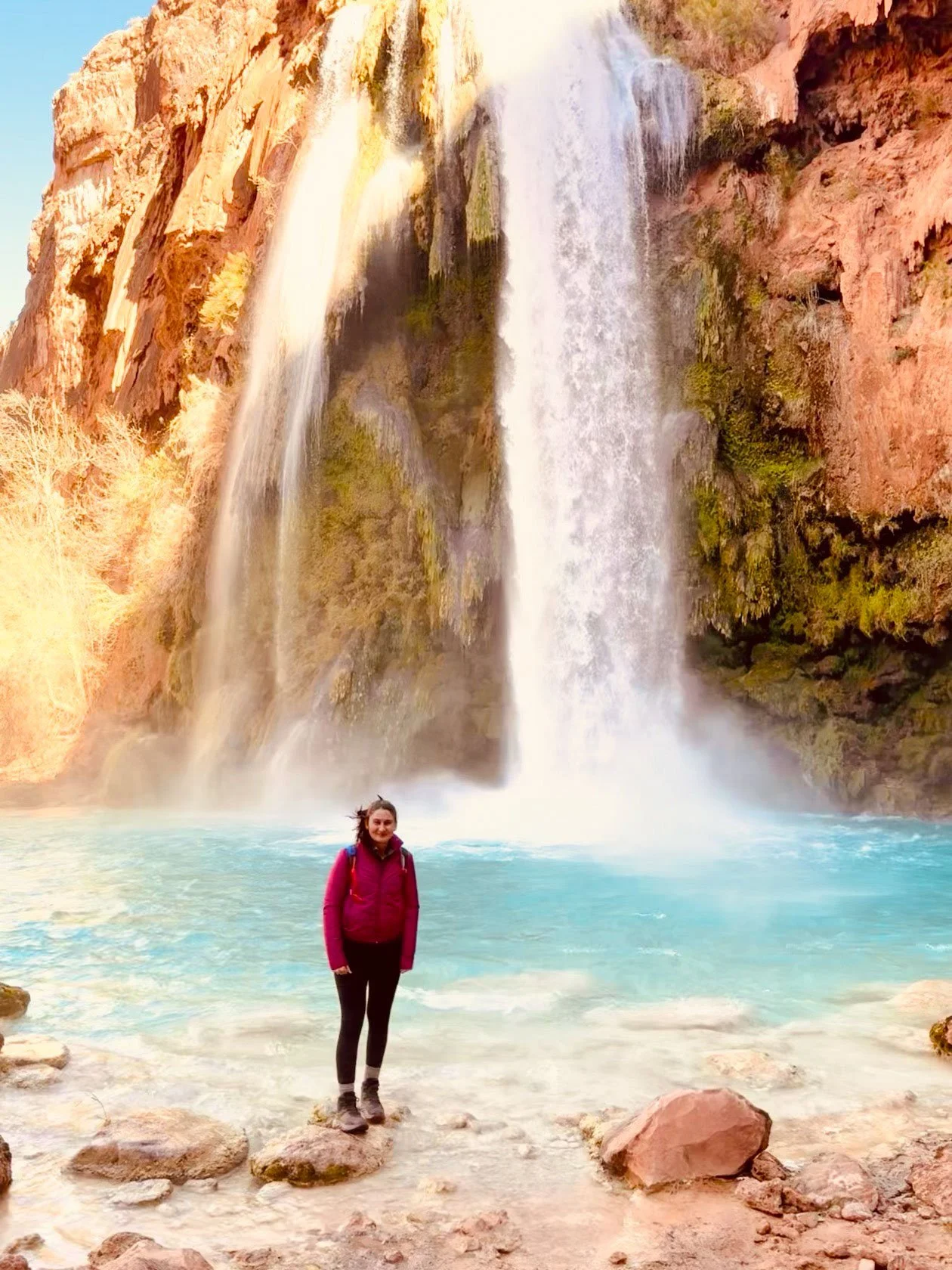
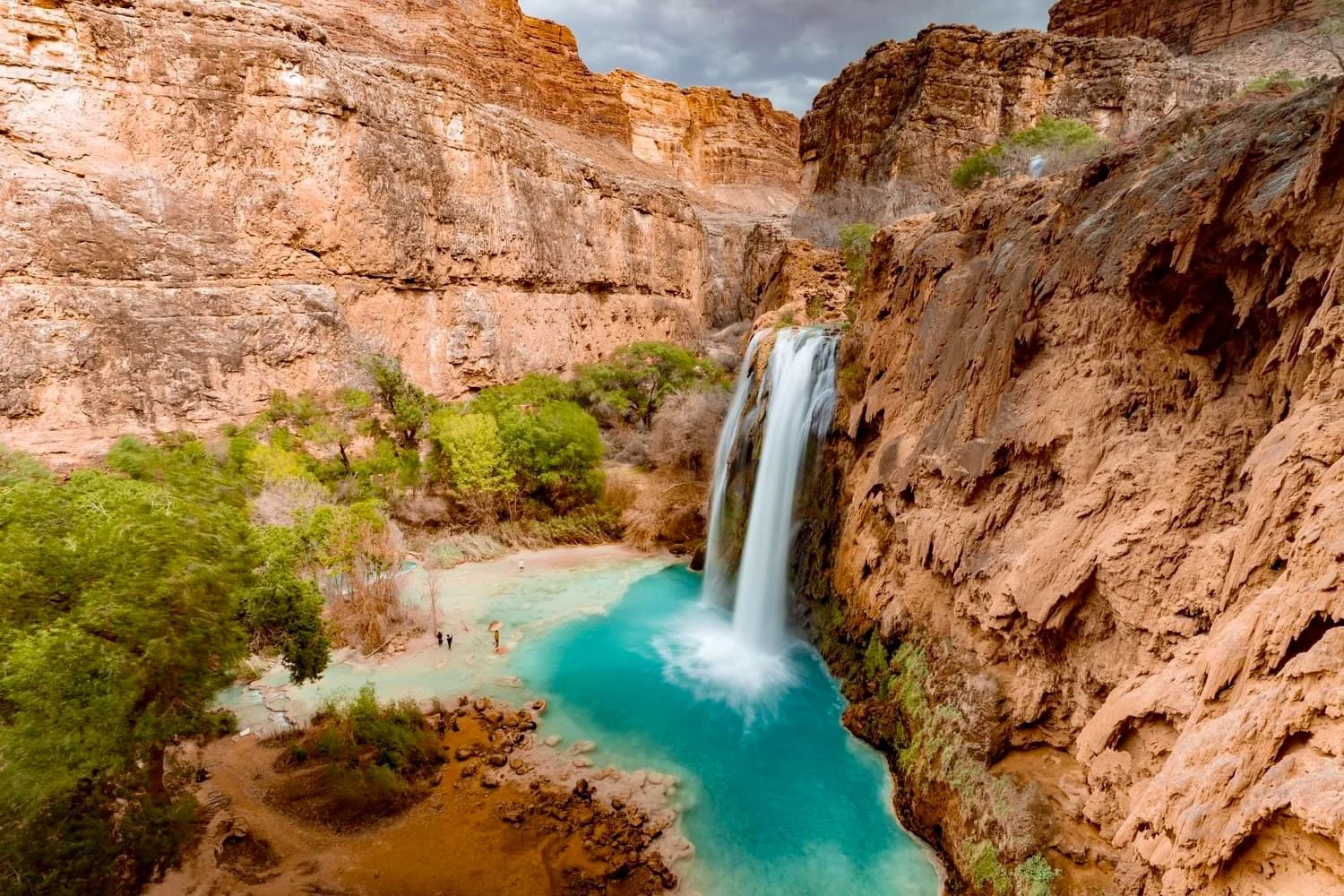
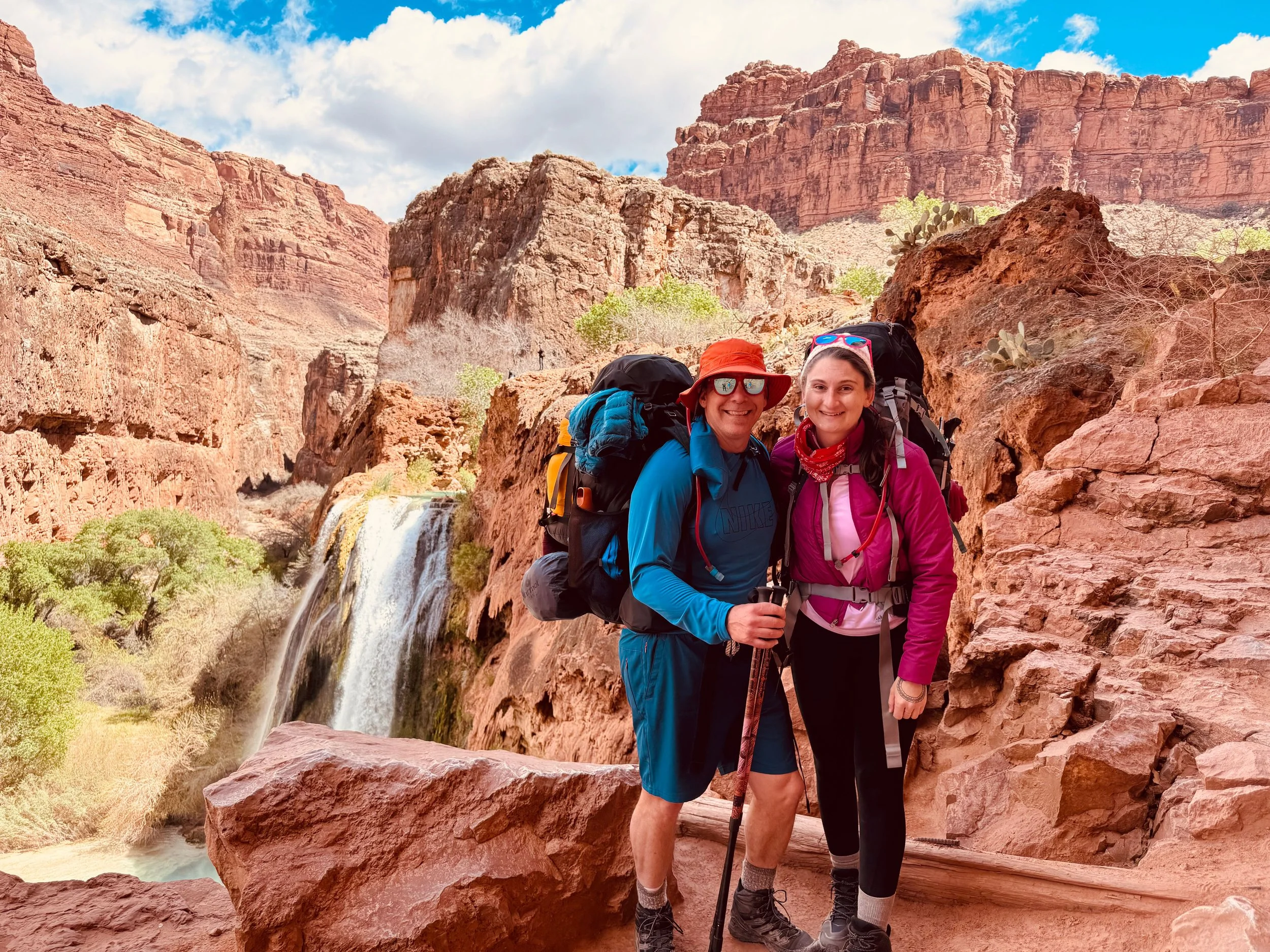
Havasu Falls is the waterfall most people picture when they dream of Havasupai—and seeing it in person somehow still exceeds expectations. The vivid blue-green color of the water comes from high levels of calcium carbonate in Havasu Creek, which reflects light in a way that feels almost unreal against the red canyon walls.
The falls are located just a short hike from Supai village and near the upper end of the campground, making it one of the most accessible and frequently visited spots in the canyon. A powerful curtain of water spills into a large pool below, with mist rising constantly and cottonwood trees offering pockets of shade along the edges. It’s a place that invites lingering—swimming, sitting quietly, or just watching the water move.
Havasu Falls also sets the tone for the rest of the canyon. While it’s the most photographed, it’s only the beginning. Standing there makes it clear why the Havasupai people have protected this land for generations and why visitors are asked to treat it with care. No matter how many photos you’ve seen, this is one of those places that feels deeply grounding the moment you arrive.
Supai Village, Fry Bread & Daily Life
Before your trek—join this Facebook group for lots of helpful tips and information.
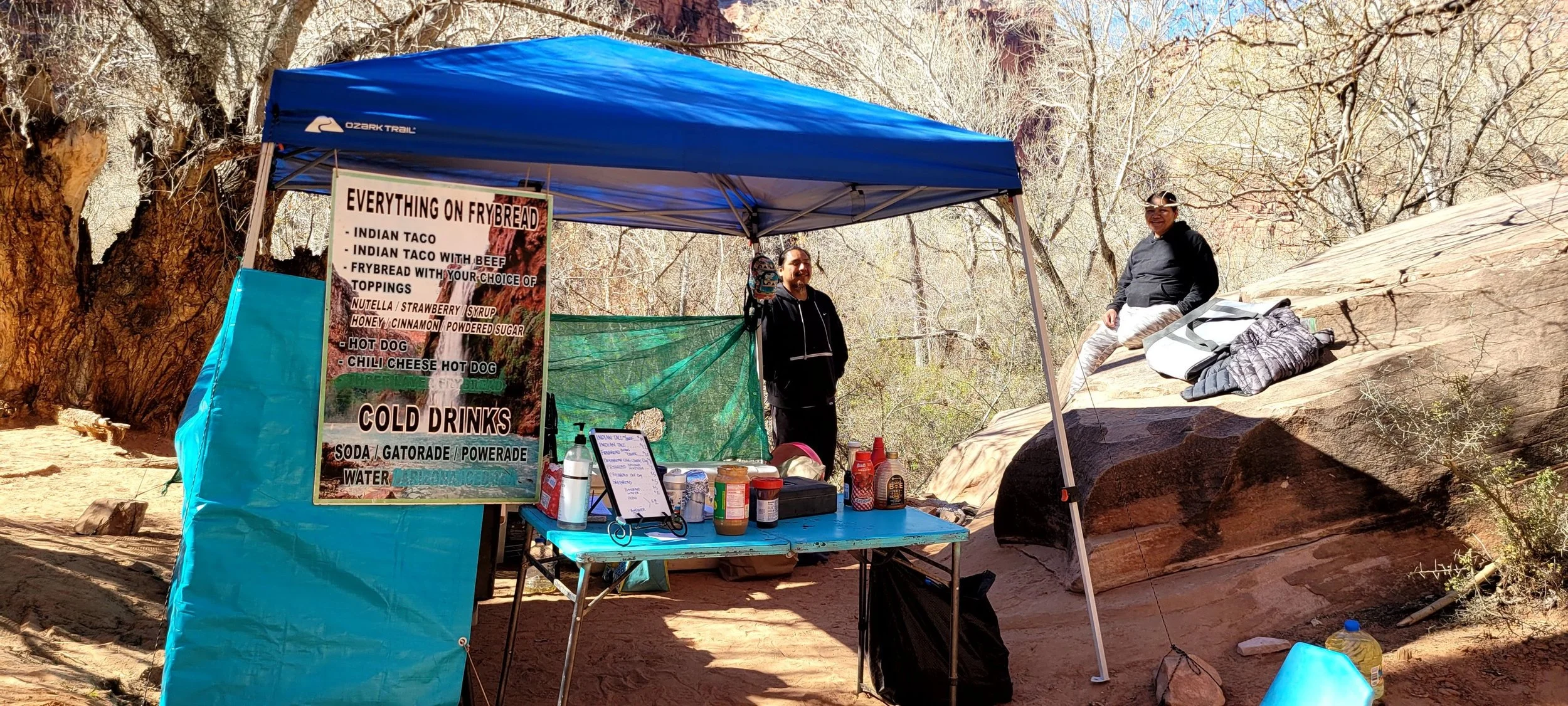
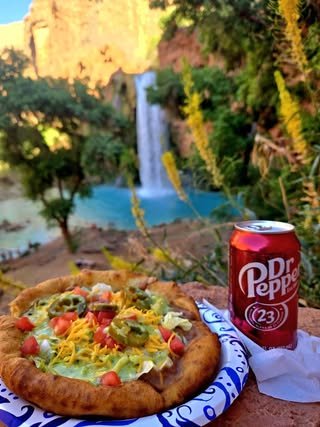
Reaching Supai village feels like stepping into another world—remote, quiet, and deeply rooted in tradition. One of the simplest and most memorable moments was enjoying fry bread, a staple food with deep cultural significance across many Indigenous communities. Warm, filling, and humble, it was a reminder that food often tells the story of a place just as much as landscapes do. That is about the only food you can get inside the village, so pack accordingly.
Camping at Havasupai: What to Expect
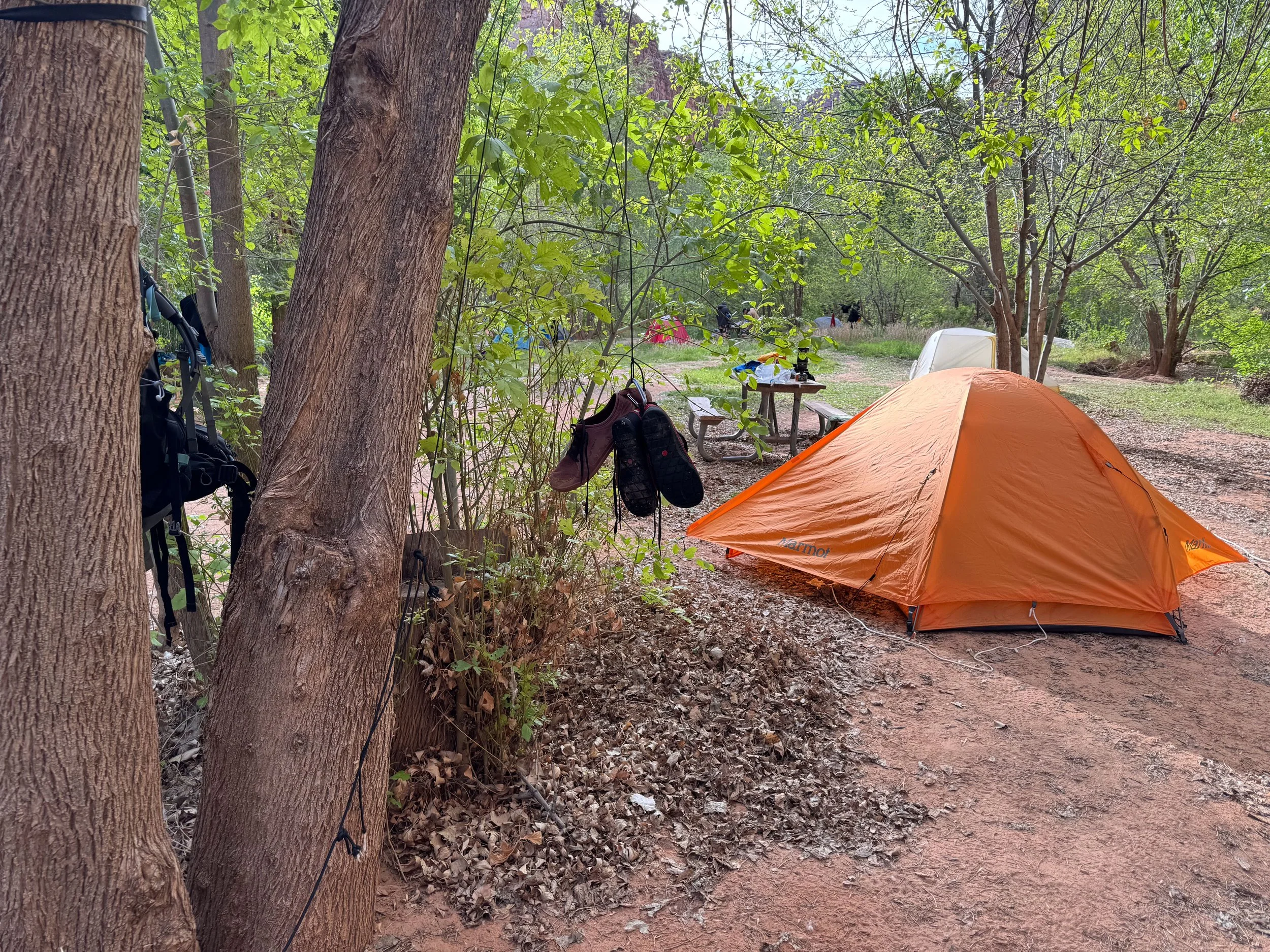
All visitors to Havasupai stay at the Havasupai Campground, which stretches for about a mile along Havasu Creek between Havasu Falls and Mooney Falls. Campsites are first come, first served, so finding a good spot often means hiking a bit farther down the campground rather than stopping at the first opening.
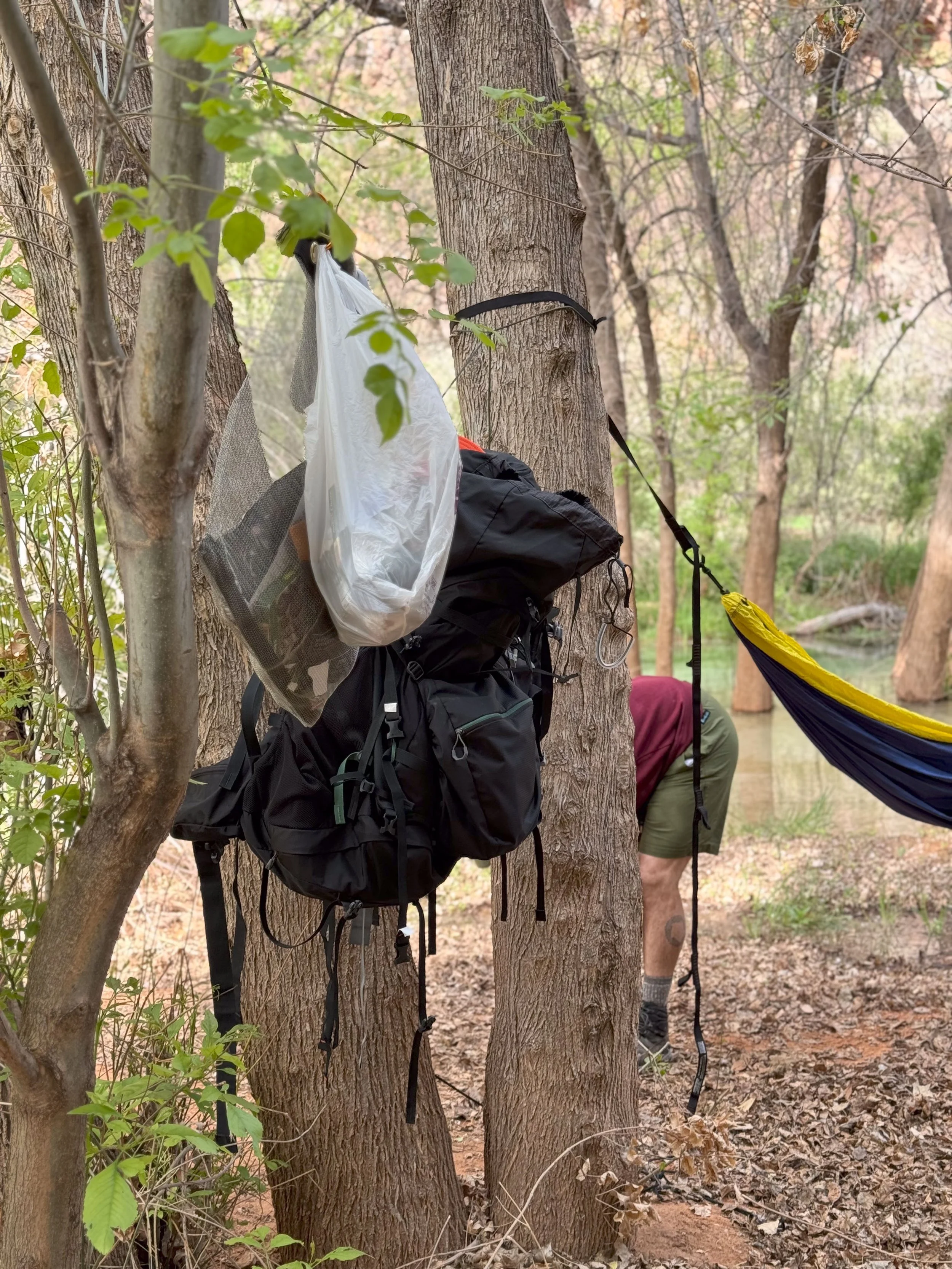
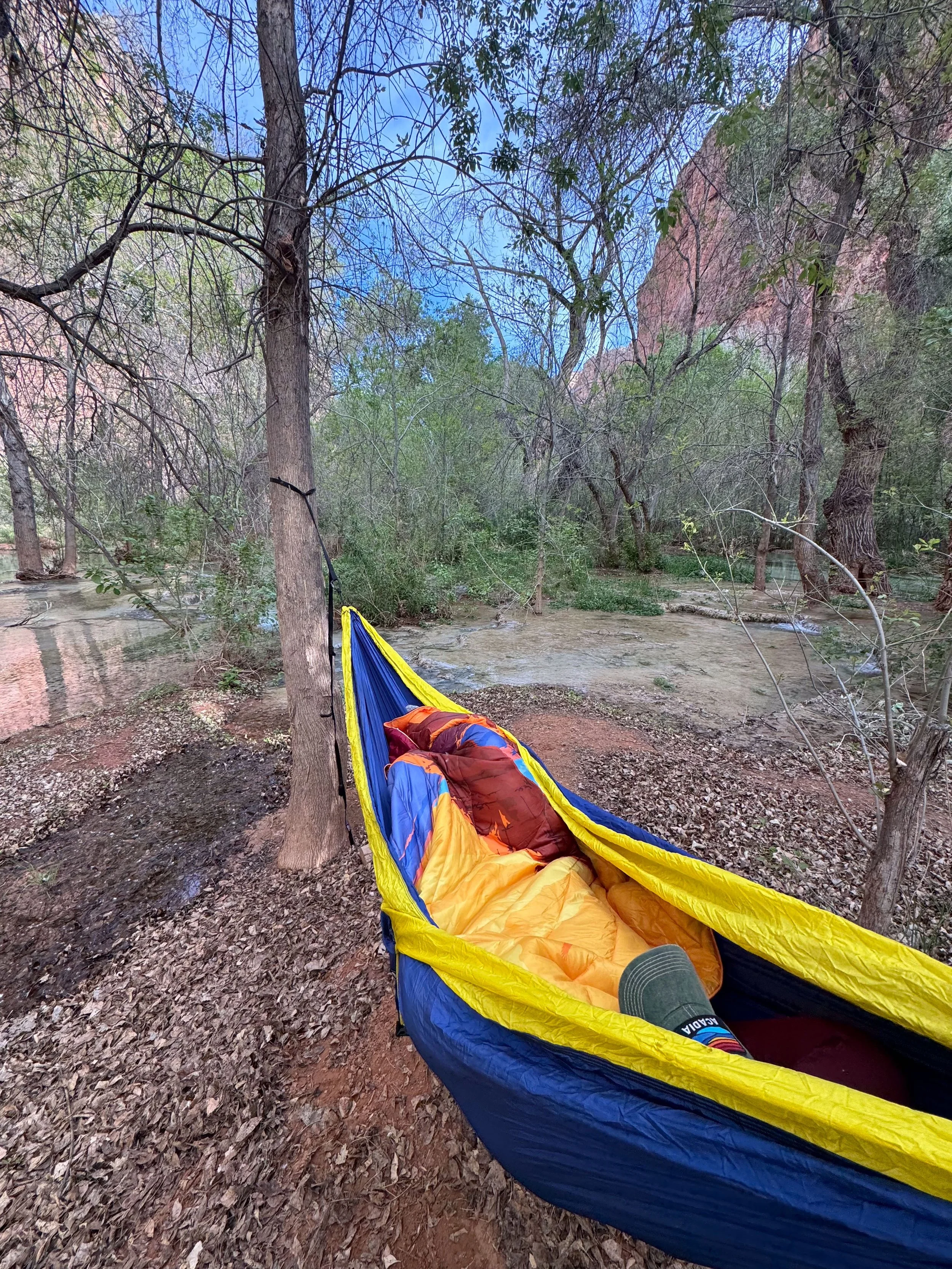
The campground is beautifully shaded with cottonwood trees and sits right beside the vibrant blue water, making it one of the most scenic places we’ve ever camped. There are composting toilets located throughout the campground, but no trash service—everything you bring in must be packed out. Campfires are not allowed, and visitors are expected to follow Leave No Trace principles out of respect for the land and the tribe.
Drinking water is available from designated spigots, but many people still choose to filter creek water as a backup. Nights can be surprisingly cool, even after hot desert days, and the sound of the creek running nearby makes for incredibly peaceful evenings. Camping here isn’t about luxury—it’s about immersion, simplicity, and falling asleep surrounded by canyon walls and starlight.
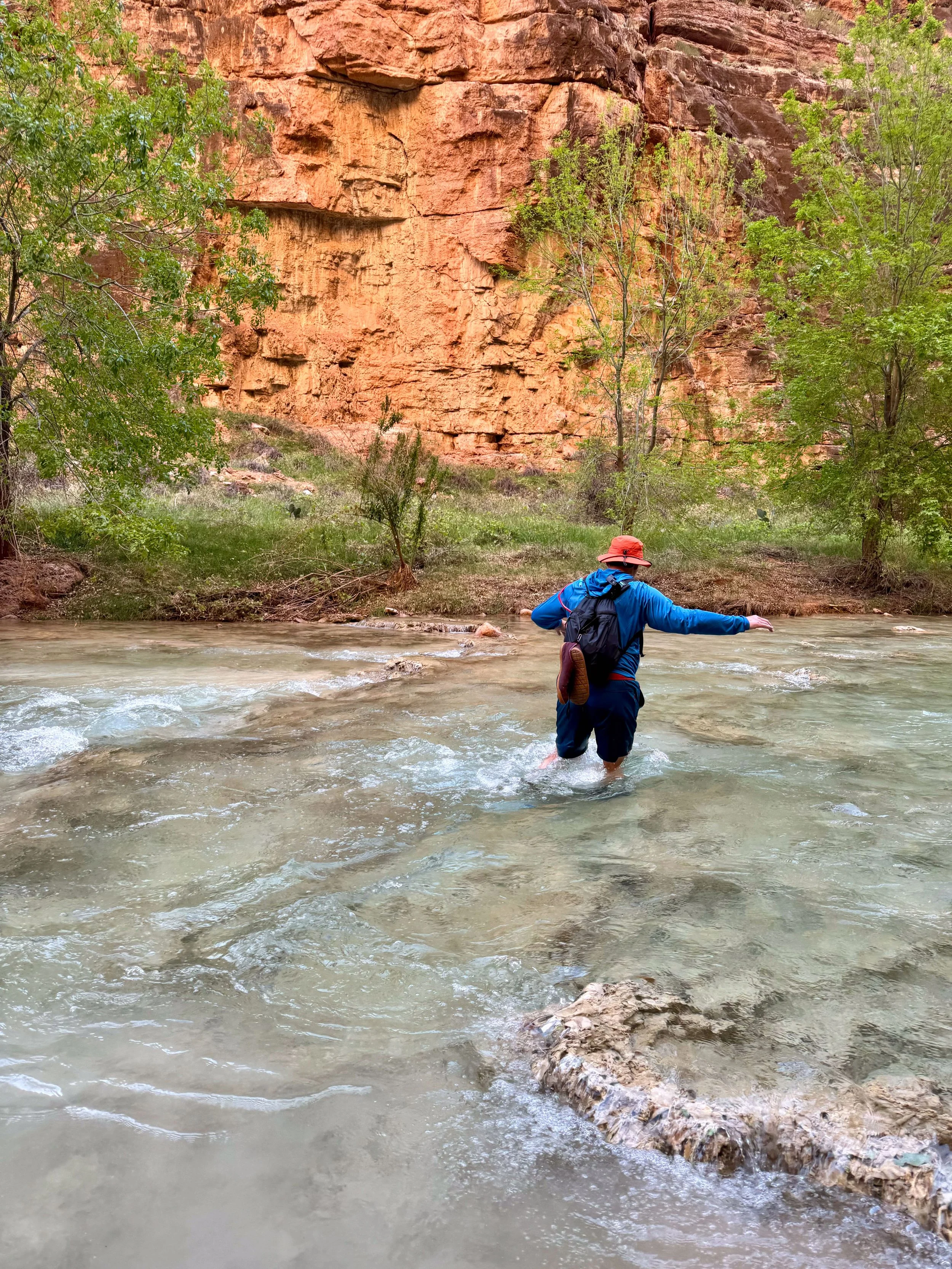
My biggest piece of advice is bring lots of socks, and ways to hang your shoes. You will be walking in water this entire trip.
Hiking Beyond: Mooney Falls & the Canyon Trails
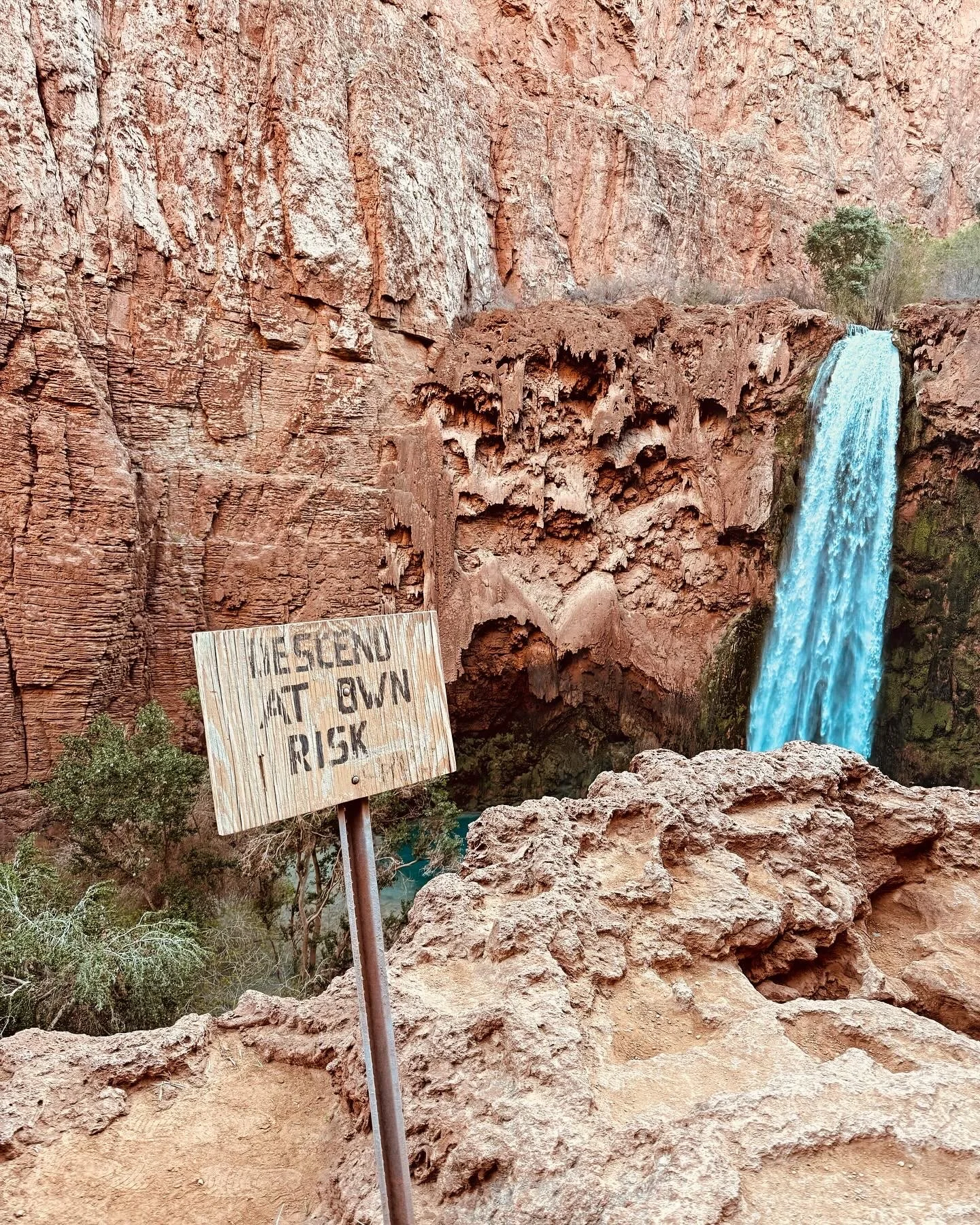
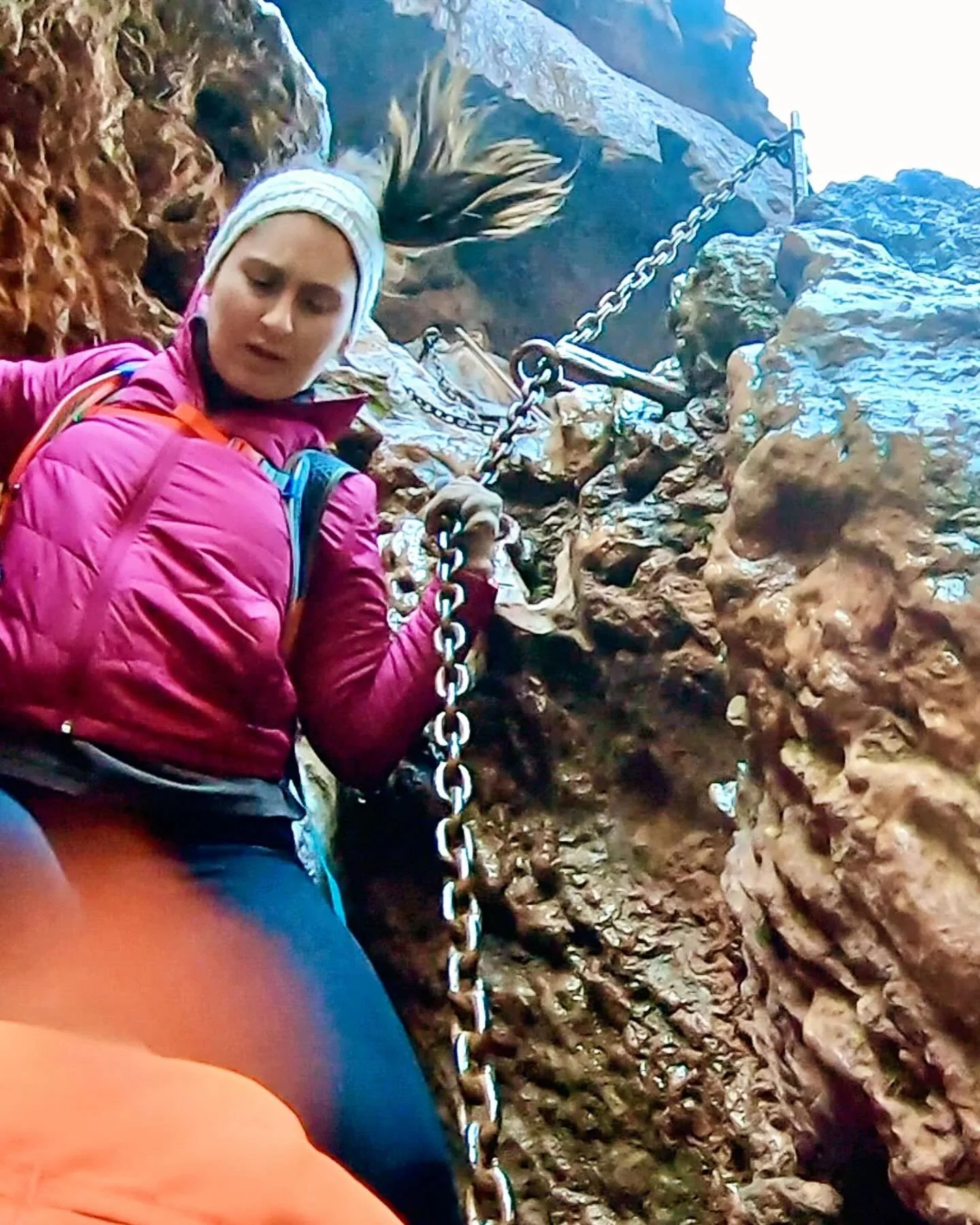
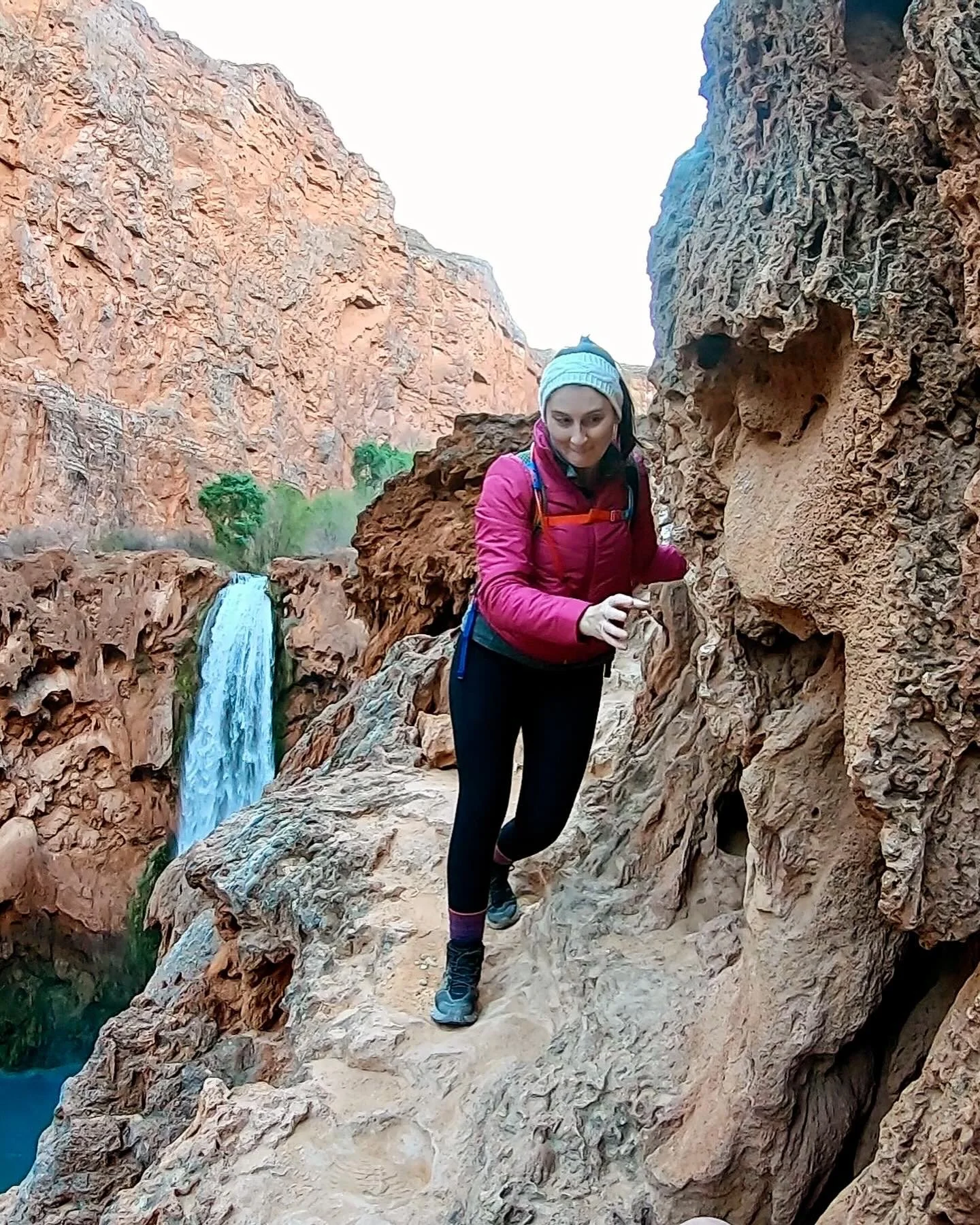
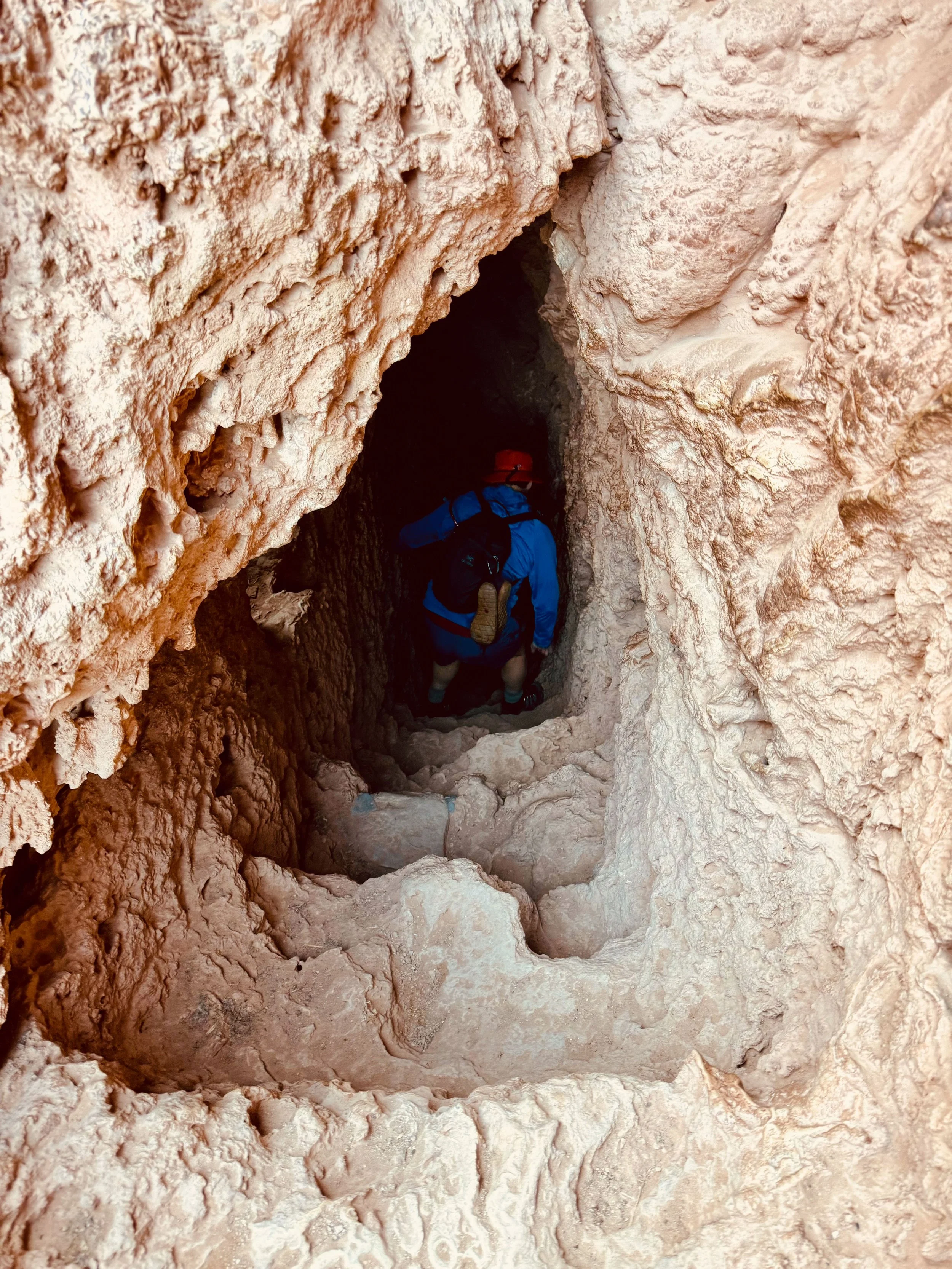
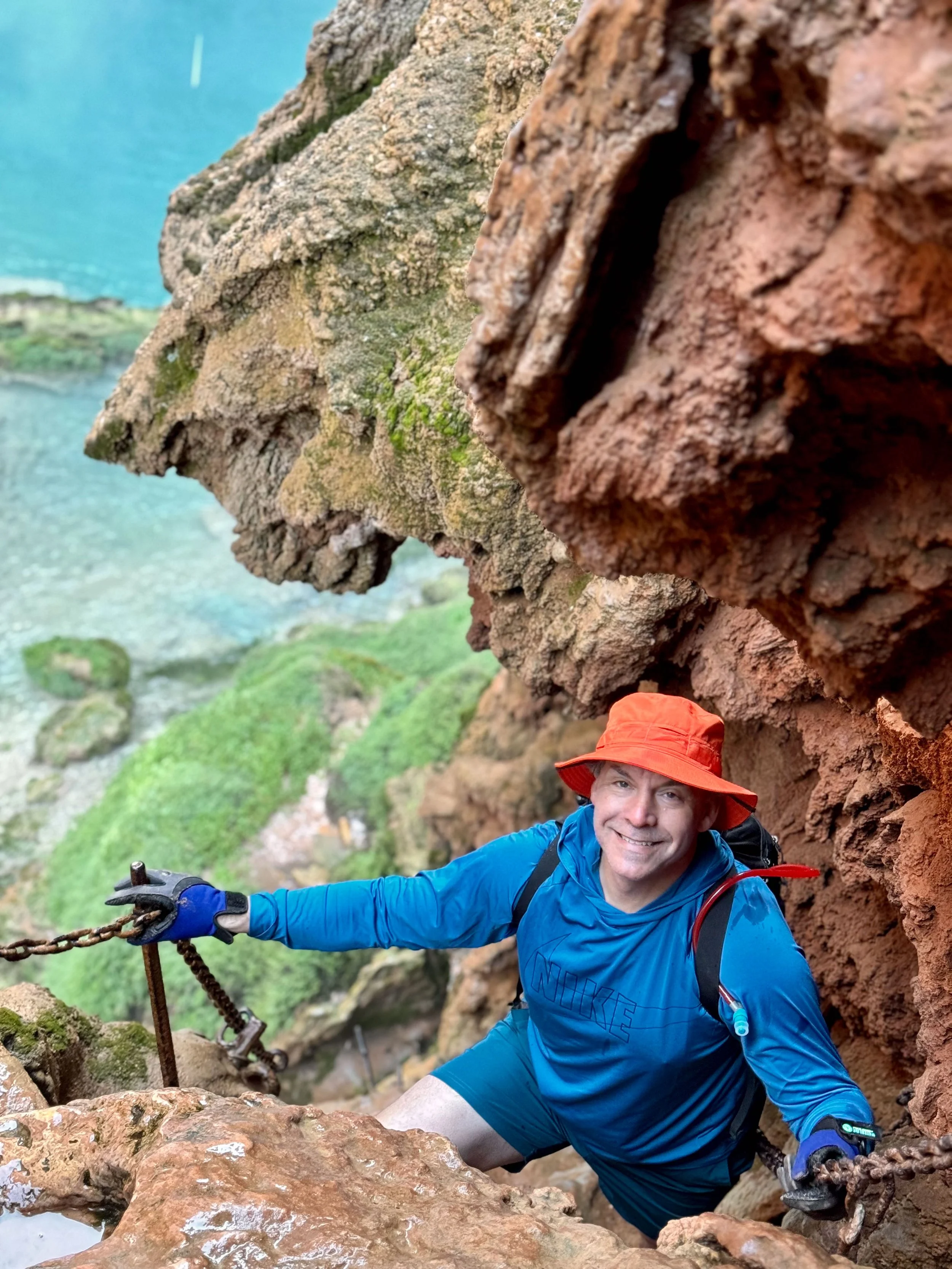
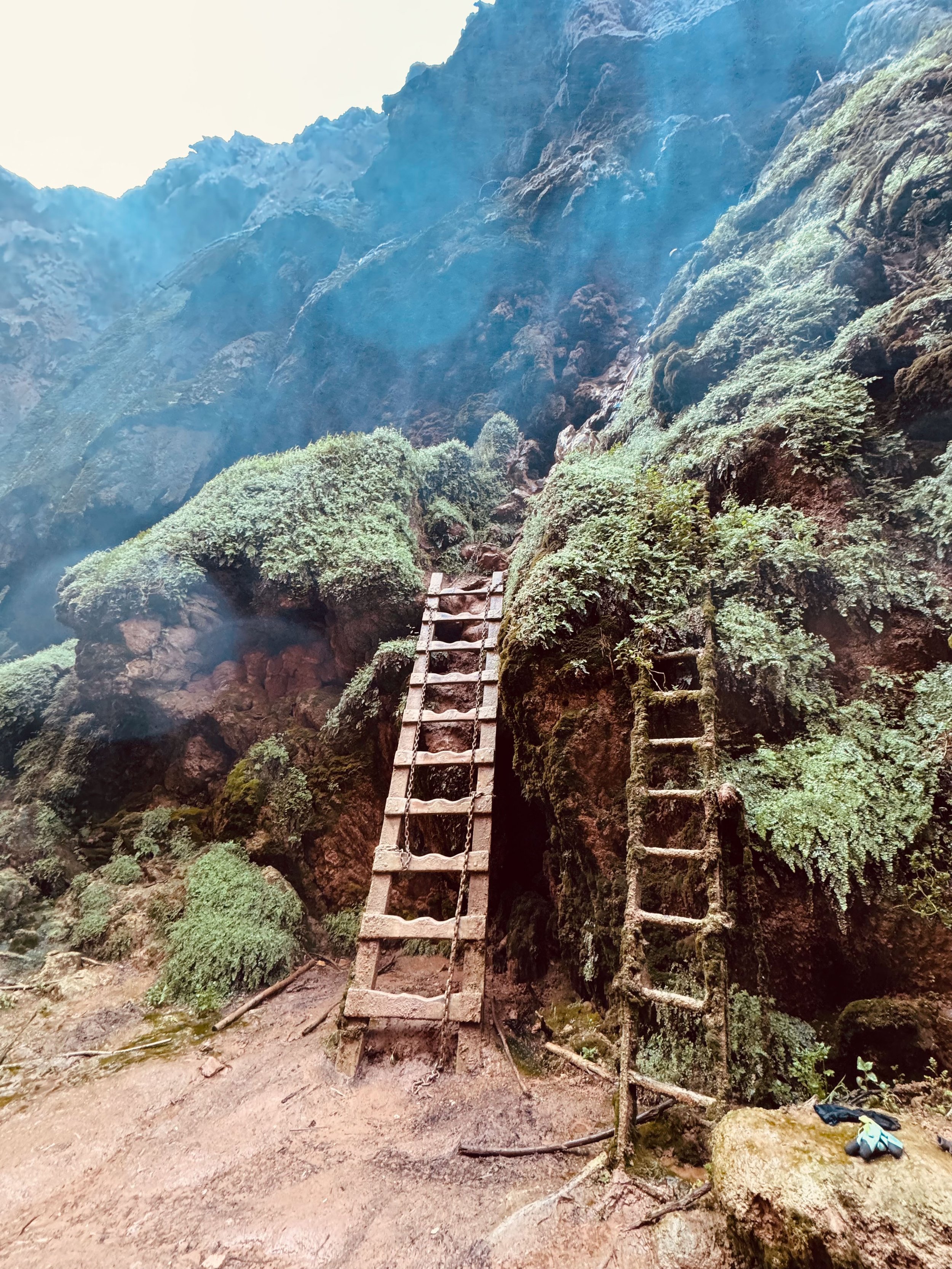
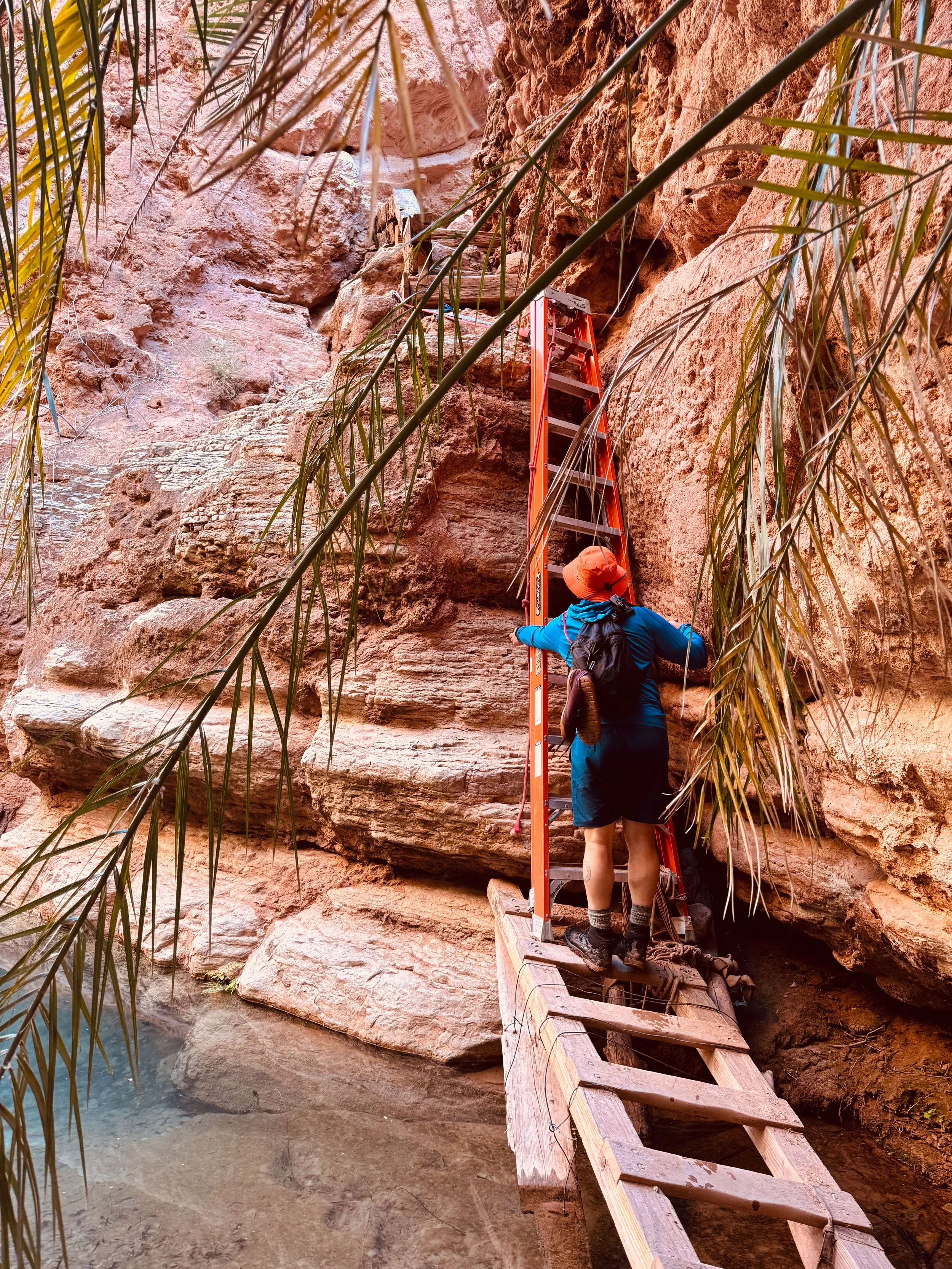
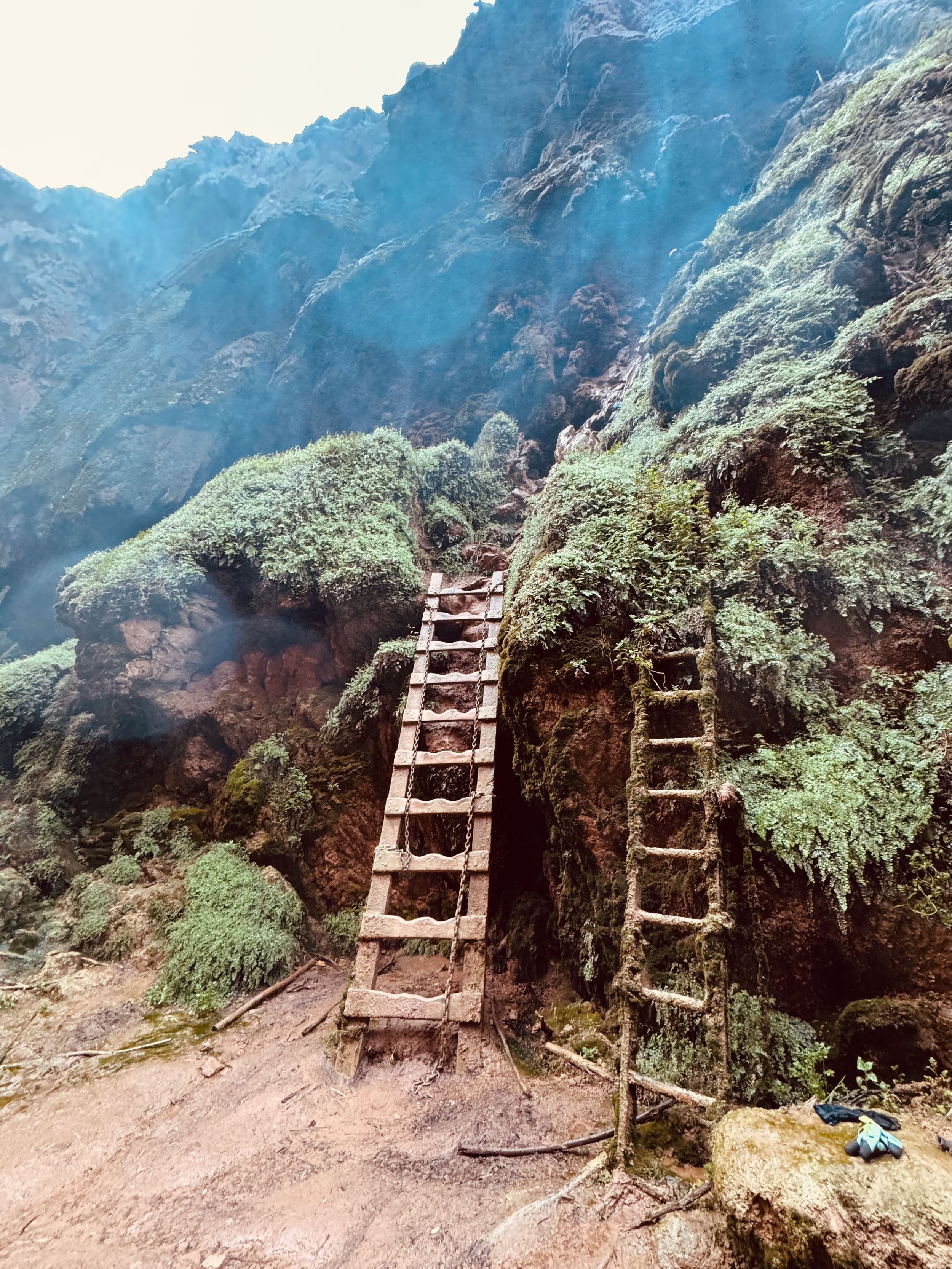
Beyond Supai village, the trail continues toward the waterfalls that make this place famous. Mooney Falls is one of the most dramatic. Reaching it requires descending steep ladders and chains carved into the rock face—intimidating but unforgettable.
Let me take a second to rant about Mooney Falls. I am an experienced, extremely fit hiker. I have climbing experience. THIS however, was humbling, extremely sketchy, and I will never do it again in my life. First off, the waterfall is roaring so its misting everywhere, meaning the ropes and chains are soaked. Even with gloves, I was slipping. To the point where my hands actually slipped completely off the chains, and I would have plummeted to my possible death if Shawn had not grabbed me. There is no way to secure yourself onto this climb, and I can’t believe there are not more deaths or injuries on this one.
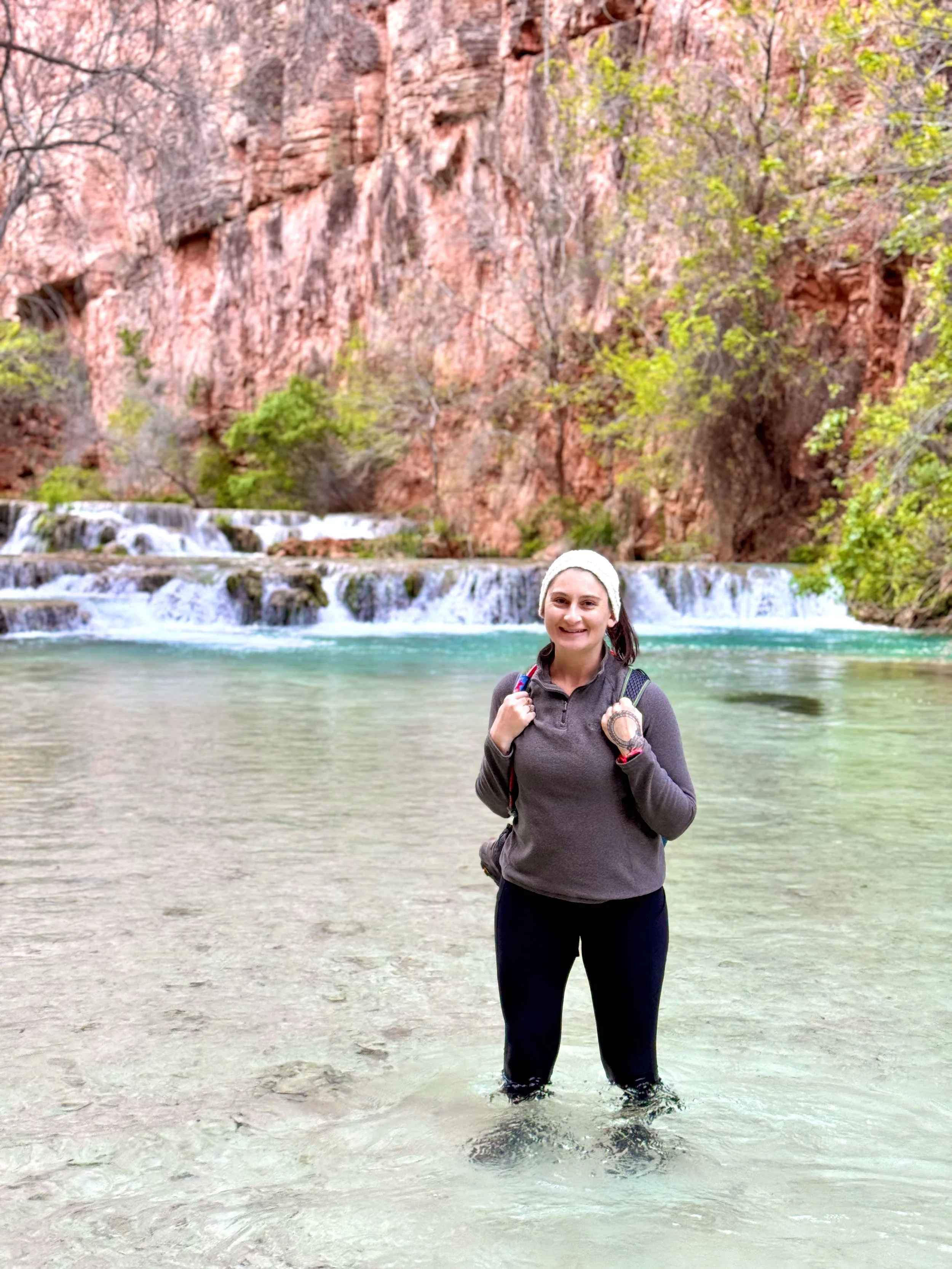
The reward is powerful, thundering water plunging into brilliant blue pools below. The hike beyond Mooney Falls winds deeper into the canyon, offering quieter stretches, towering red walls, and a sense of isolation that’s hard to find elsewhere.
Hiking Toward the Continental Divide
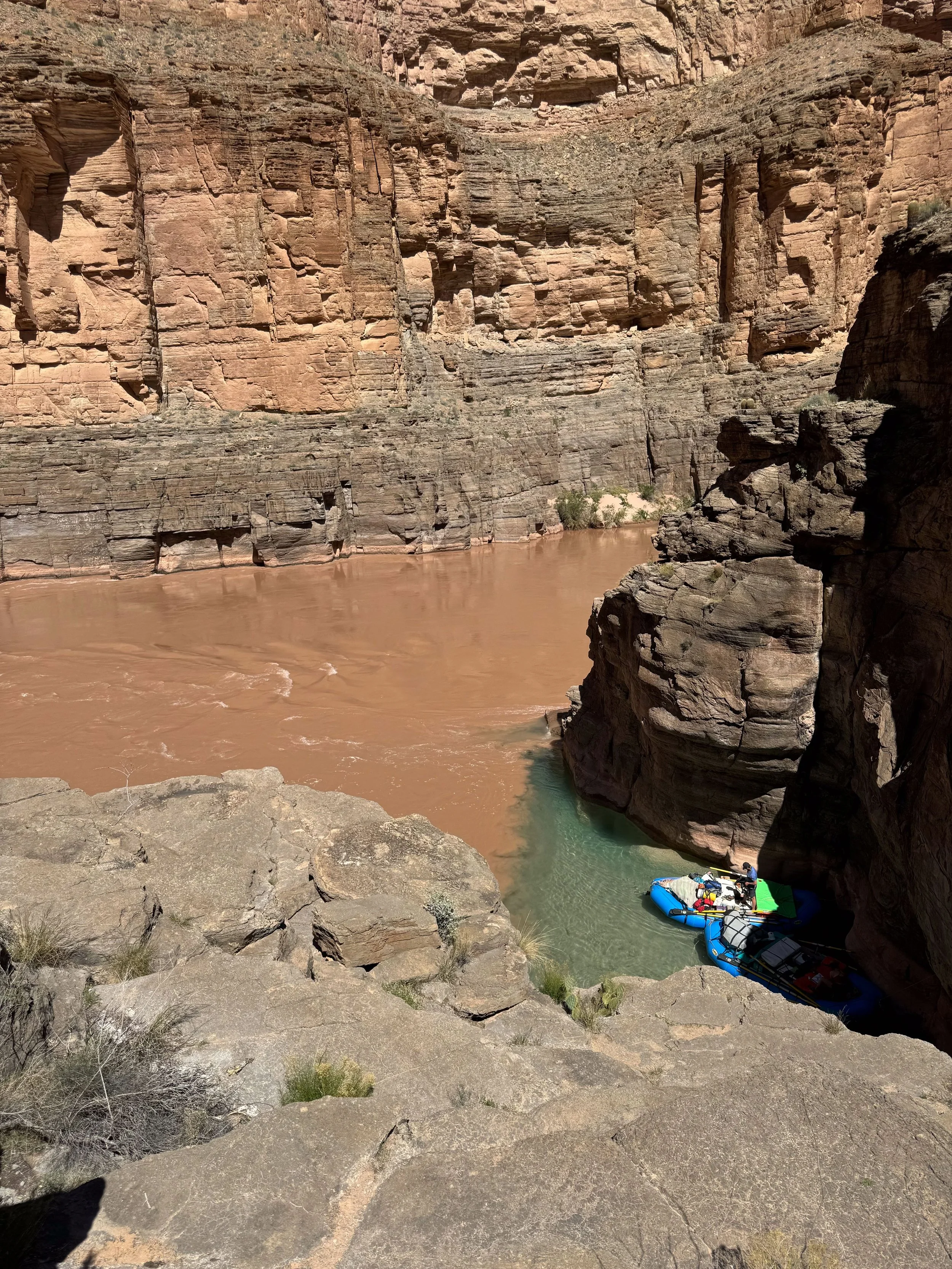
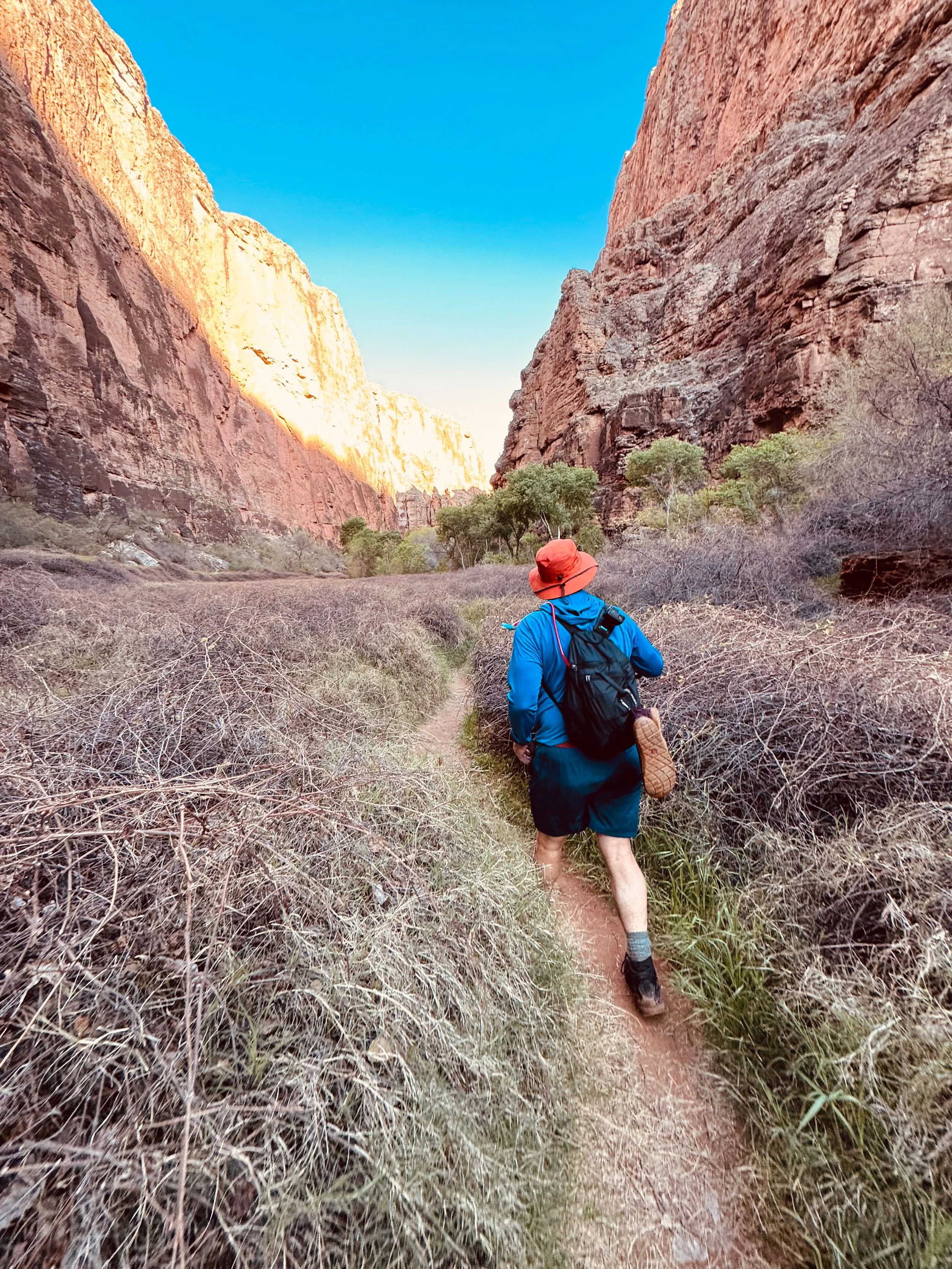
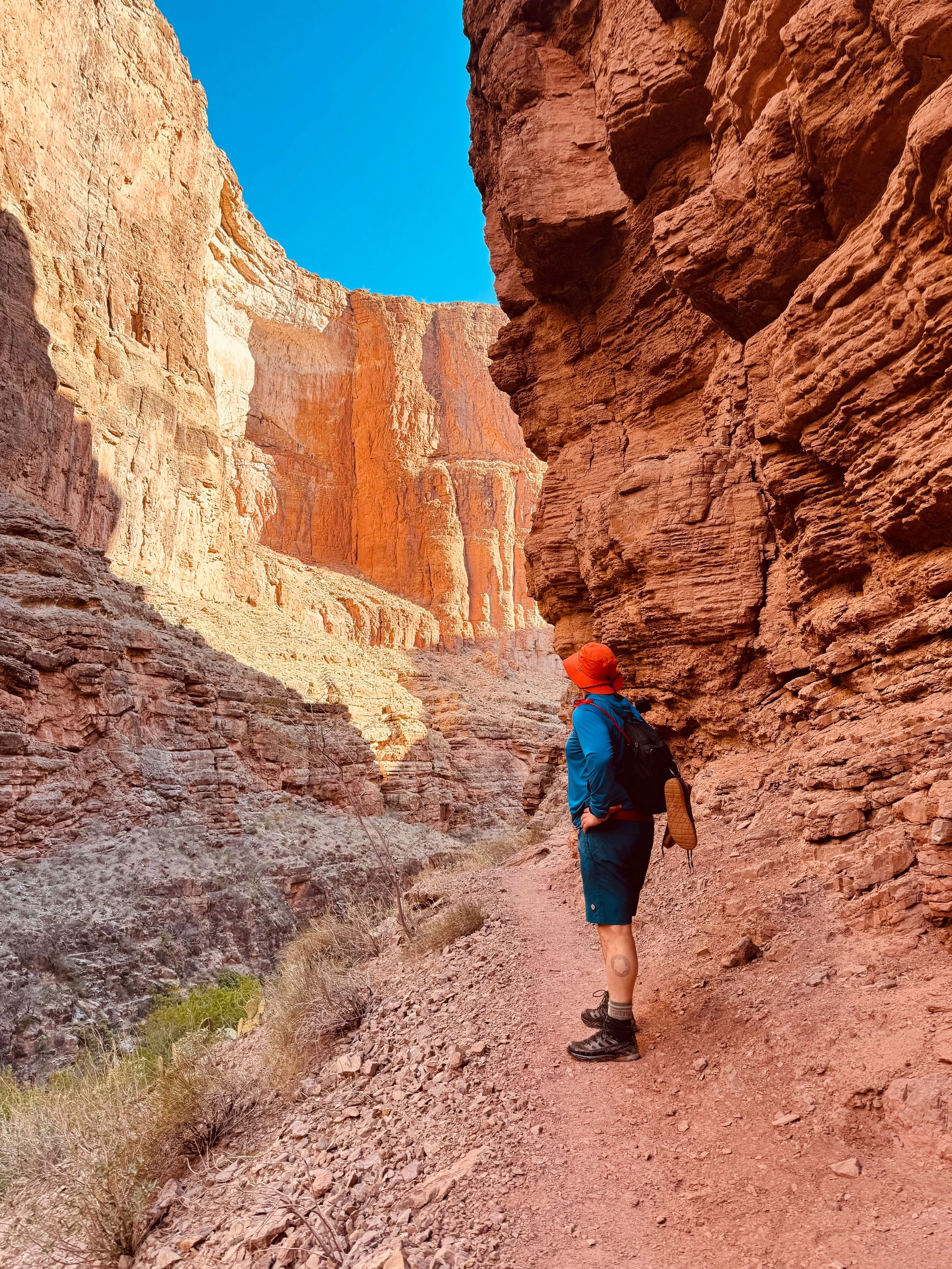
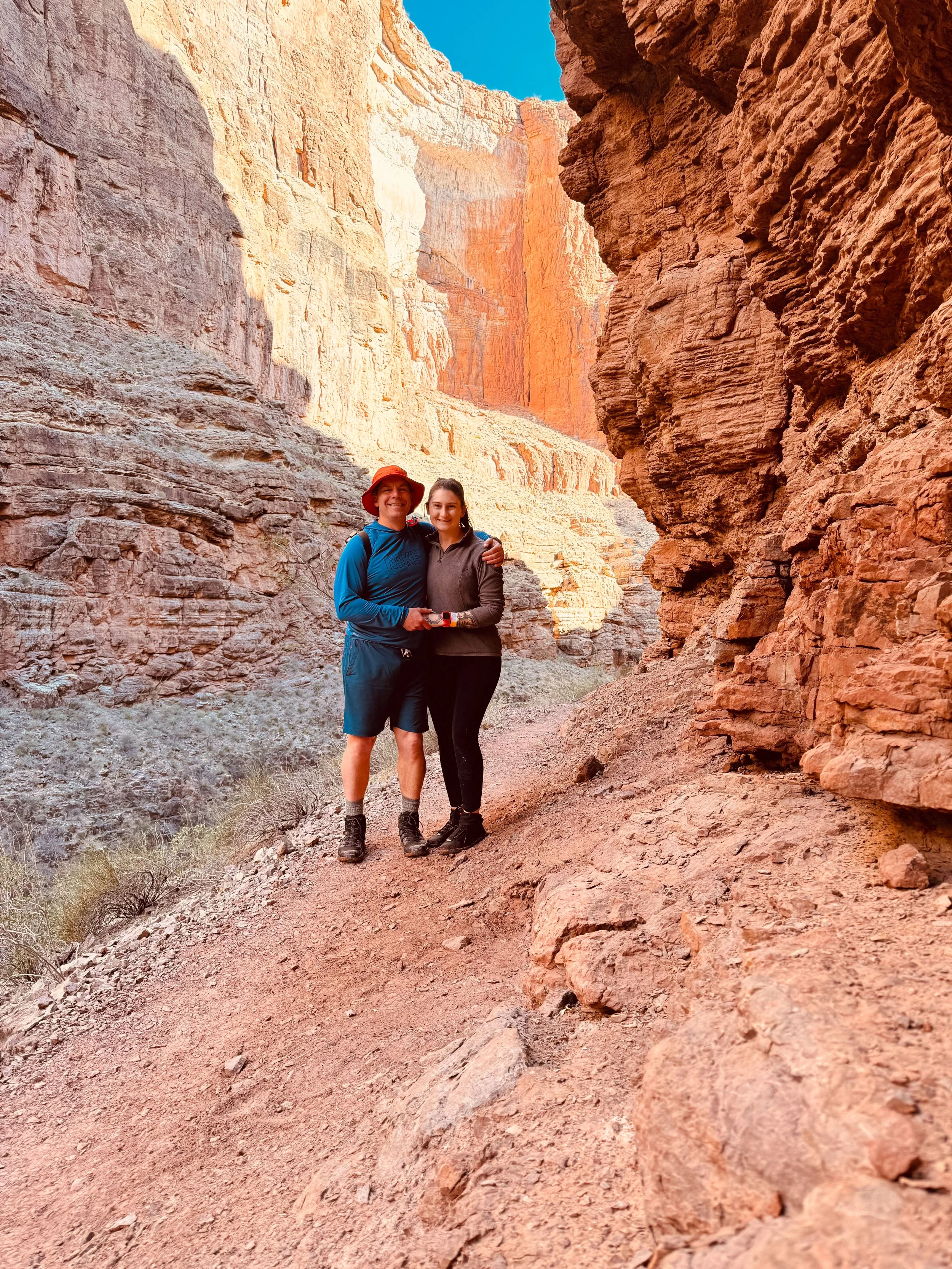
Our Route Day 3
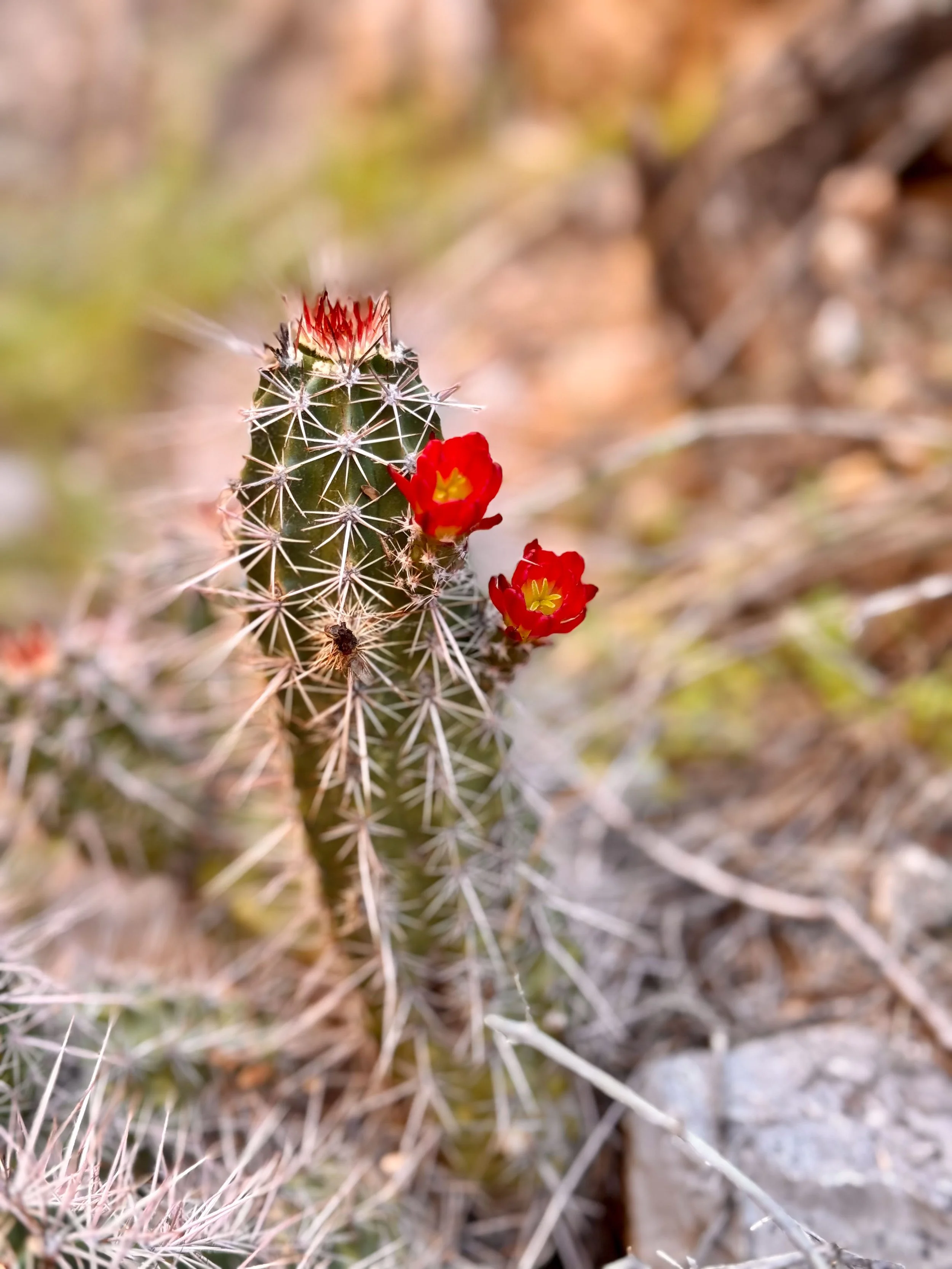
One of the most striking parts of the experience was hiking deeper into the canyon landscape, toward areas shaped by the Continental Divide. Being in a place where water, land, and time feel so clearly connected puts everything into perspective—how small we are, and how long these places have existed without us. This is a brutal day: 16+ miles in sweltering heat. You’ll want to pack a Day Pack in your gear for this one. Its tough.
Why Havasupai Is Different
Havasupai isn’t just a bucket-list destination—it’s a place that asks for respect, patience, and preparation. From strict reservation requirements to the realities of desert hiking and life on tribal land, every part of the experience reminds you that this isn’t a theme park. It’s a living community, and visitors are guests.
Ending the Trip: A Day in Las Vegas
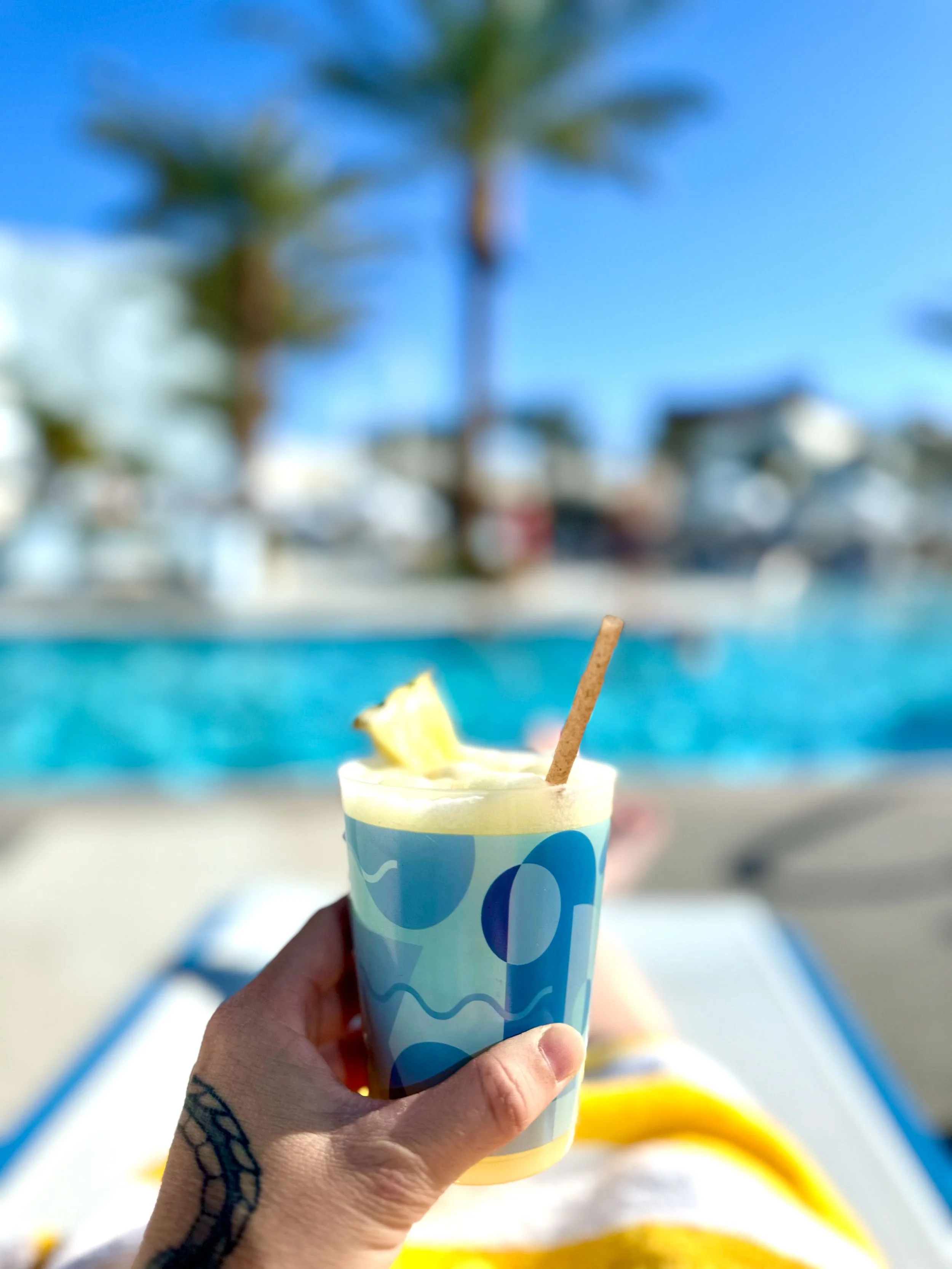

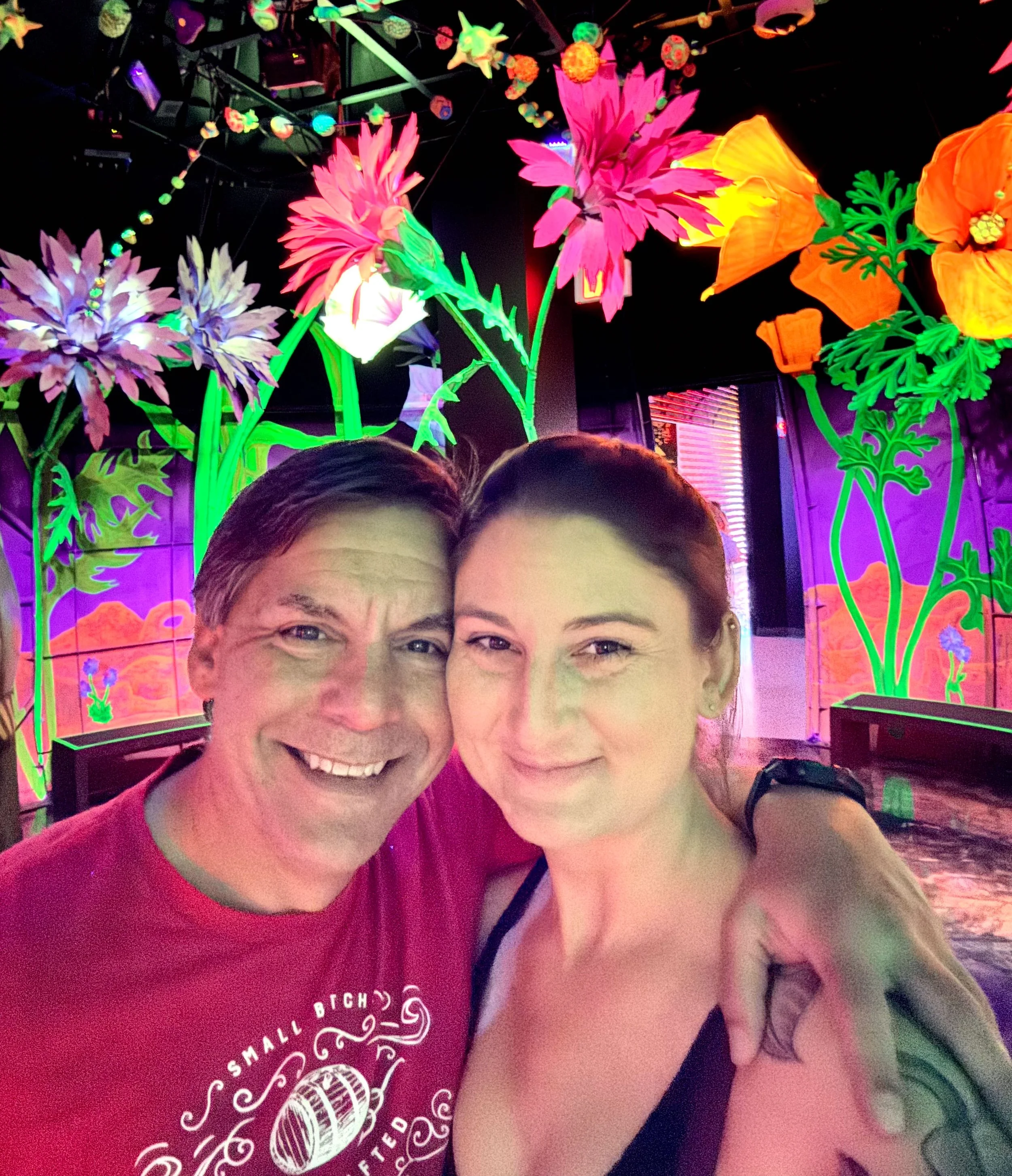
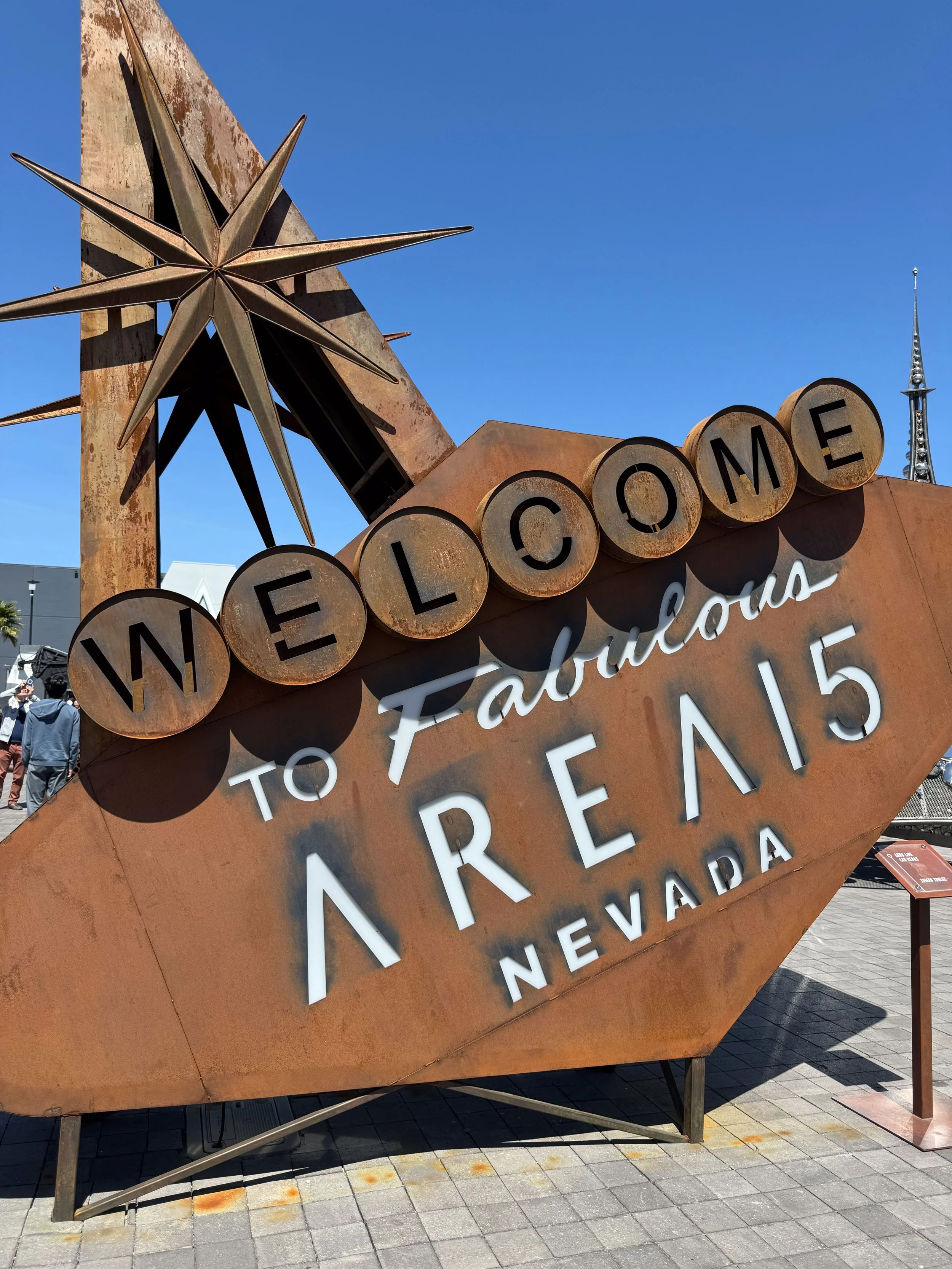
After days of dust, hiking, and canyon air, we ended the trip in Las Vegas with a full day by the pool. Floating in cool water, cold drinks in hand, felt like the perfect contrast to the rugged journey that came before it—a soft landing after an unforgettable adventure.
Final Thoughts
Hiking Havasupai Falls is physically demanding, logistically complex, and emotionally grounding. It’s a reminder that some of the most beautiful places in the world require effort, respect, and responsibility to experience. And in return, they give you something that stays with you long after the trail ends.
